Health and wellbeing in pregnancy
Getting ready for birth and beyond
Antenatal care
Your pregnancy
Getting help
 It can be difficult to talk about how you are feeling and ask for help.
Common reasons for this are:
It can be difficult to talk about how you are feeling and ask for help.
Common reasons for this are:
- you may not know what is wrong
- you may feel ashamed that you are not enjoying your baby or coping as you believe you should
- you may worry that your baby will be taken away.
Asking for help doesn’t mean you can’t cope or are not able to care for your child. It’s the start of getting the right help and support to ensure you can be the parent you want to be.
Try talking to someone you trust (friends or family) and contact your midwife, health visitor and/or GP to discuss how you are feeling. Your health care professionals are all trained to recognise postnatal depression and will be able to offer a range of support services to help you.
Women with more severe or complex illnesses, for example, severe anxiety, severe depression, psychosis and bipolar affective disorder, should be seen by a specialist perinatal mental health team.
Baby blues
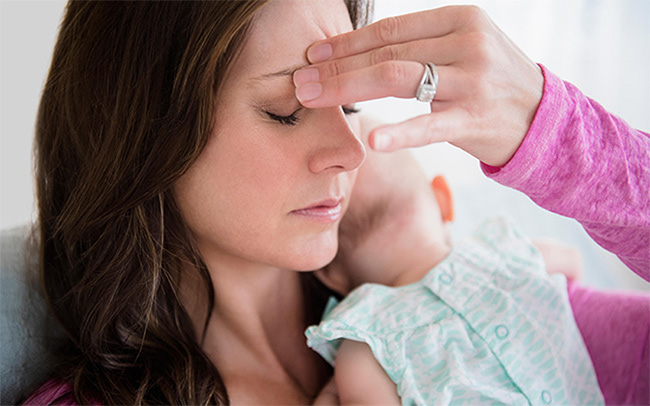 During the first week, the majority of women experience a short-lived change in emotions commonly known as baby blues. This is short period of feeling tearful and overwhelmed, often caused by a combination of exhaustion, life changes and hormones. This is very common and will only last a few days.
Symptoms include:
During the first week, the majority of women experience a short-lived change in emotions commonly known as baby blues. This is short period of feeling tearful and overwhelmed, often caused by a combination of exhaustion, life changes and hormones. This is very common and will only last a few days.
Symptoms include:
- feeling emotional and irrational
- crying over seemingly small things or seemingly over nothing
- feeling irritable
- feeling sad or anxious
- feeling physically exhausted and overwhelmed.
It is important to seek support from your family, friends and midwife during this time and try to get as much rest as possible. If you continue to feel low, or the bad feelings and thoughs get worse, speak to your health visitor or your GP.

Your emotional health
Having a baby can be joyful, exciting and rewarding. However, mothers and fathers can be under great pressure to act and feel happy and excited during pregnancy and after birth. The reality of transitioning to parenthood is quite different and you may be surprised to experience feelings you hadn’t expected. Be assured: it is also common for new mothers or fathers to experience anxiety, depression or emotional distress.
As many as one in five women experience emotional difficulties during pregnancy and in the first year after their baby’s birth. This can happen to anyone.
Perinatal positivity – a video developed by expert clinicians with local women and charities in North West London
If you are experiencing emotional difficulties during this time, it may be that you are experiencing postnatal depression and anxiety. It can occur straight after the baby is born or months later. Each woman is affected in her own particular way but some of the common causes, symptoms and advice about what helps can be found in the pages and related links below.
Portal: Mental health and wellbeing in your region
Information for partners during pregnancy
Before labour and birth
It is important to discuss with your partner your role as birth partner and how you feel about being present at the birth. You can write a birth plan together and support her if it needs to change for any reason.
You can also:
- make sure you can always be contacted in the final weeks
- arrange how you’ll go to the maternity unit, if you are planning on having the baby there
- ensure the car always has fuel and ensure you have tested fitting the car seat. You can keep the car seat in the car
- do a trial run to test your route to the maternity unit, and ensure you have small change for parking meters
- help pack the maternity unit bag and make sure you pack the things you need
- think about preparing/freezing some meals for after the birth so you don’t have to worry about cooking when first at home
- learn about what to expect so you can be as prepared as possible to care for your partner and baby read the sections on:
Preparing for after the birth
The birth can often feel like such a huge event that not much time or attention is given to fatherhood and parenting. Having a baby changes relationships, carries responsibility and has significant financial impact, whilst also being a time of intense joy and pride. Up to 10% of new dads can suffer from postnatal depression, so if you start to feel changes in your mood, talk to your family, friends and GP (and see here).
Portal: Information for partners
Best beginnings – Fathers
For your baby
 ❏ 1 x pack of nappies
❏ Clothes; sleepsuits and vests (3-4 of each)
❏ Several cotton hats and a woolly hat
❏ Clothes for going home
❏ Socks/mittens (x2 pairs)
❏ Cotton wool/water wipes
❏ Muslin square/bibs
❏ Car seat to take baby home – learn how to use beforehand!
❏ Baby blanket/shawl
If you are planning to formula feed your baby; check with your midwife what you need to take to the maternity unit.
❏ 1 x pack of nappies
❏ Clothes; sleepsuits and vests (3-4 of each)
❏ Several cotton hats and a woolly hat
❏ Clothes for going home
❏ Socks/mittens (x2 pairs)
❏ Cotton wool/water wipes
❏ Muslin square/bibs
❏ Car seat to take baby home – learn how to use beforehand!
❏ Baby blanket/shawl
If you are planning to formula feed your baby; check with your midwife what you need to take to the maternity unit.
For you
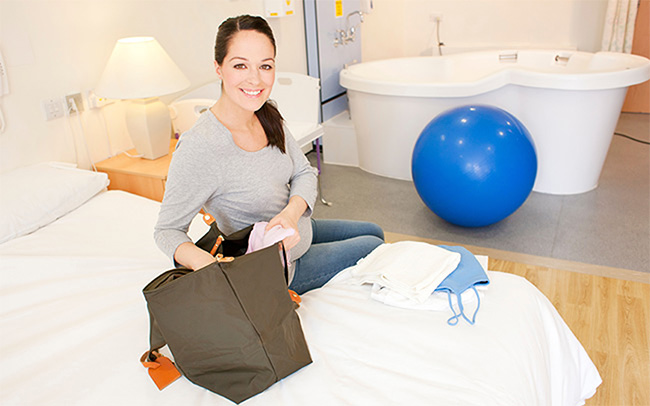 ❏ maternity notes and personal care plan
❏ any medications that you take regularly
❏ comfy clothes to wear in labour
❏ slippers and/or flip-flops
❏ dressing gown and pyjamas/nightdress (2) that open at the front (for ease of feeding)
❏ comfy clothes to wear home
❏ crop top/bikini top if using water/birthing pool
❏ comfortable bra/feeding bra
❏ knickers for after the birth – large size, cotton and comfortable and/or disposable knickers
❏ adult size towel (2 if using birthing pool)
❏ toiletries, including toothbrush and toothpaste, hairbrush, hair ties and lip balm
❏ 2 packs of maternity sanitary pads (thick and ultra-absorbent)
❏ breast pads
❏ massage oils for use in labour
❏ glasses/contact lenses
❏ portable speakers/earphones to play music
❏ drinks, snacks and drinking straws
❏ water spray/fan
❏ extra pillow(s)
❏ TENS machine (if you plan to use one)
❏ books/magazines
❏ phone and charger
❏ maternity notes and personal care plan
❏ any medications that you take regularly
❏ comfy clothes to wear in labour
❏ slippers and/or flip-flops
❏ dressing gown and pyjamas/nightdress (2) that open at the front (for ease of feeding)
❏ comfy clothes to wear home
❏ crop top/bikini top if using water/birthing pool
❏ comfortable bra/feeding bra
❏ knickers for after the birth – large size, cotton and comfortable and/or disposable knickers
❏ adult size towel (2 if using birthing pool)
❏ toiletries, including toothbrush and toothpaste, hairbrush, hair ties and lip balm
❏ 2 packs of maternity sanitary pads (thick and ultra-absorbent)
❏ breast pads
❏ massage oils for use in labour
❏ glasses/contact lenses
❏ portable speakers/earphones to play music
❏ drinks, snacks and drinking straws
❏ water spray/fan
❏ extra pillow(s)
❏ TENS machine (if you plan to use one)
❏ books/magazines
❏ phone and charger