Flying

Flying

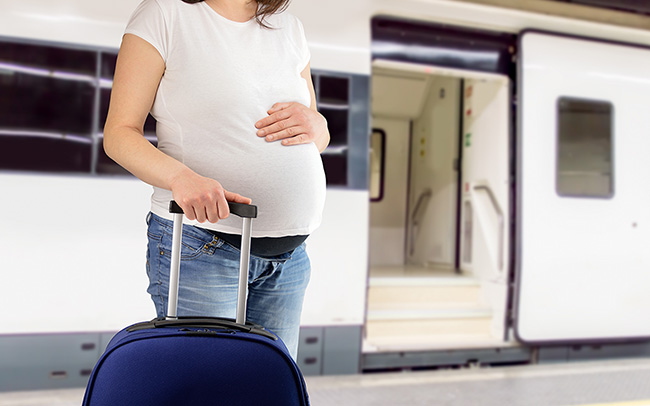
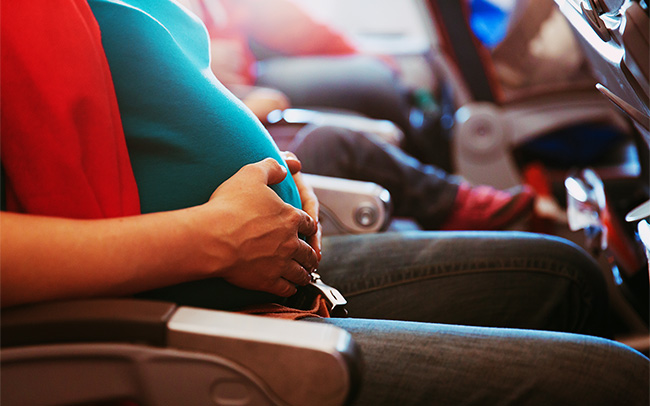
Flying is not harmful to you or your baby, but it is important to discuss your pregnancy with your midwife or doctor before travelling by plane. The likelihood of going into labour is higher after 37 weeks and some airlines will not let you fly towards the end of pregnancy. Check with the airline directly about this. After week 28 of pregnancy, the airline may ask for a letter from your GP confirming your due date, and that you aren’t at risk of complications. Long-distance travel carries a small risk of blood clots (known as deep vein thrombosis or DVT). Discuss any long-haul travel with your doctor as you may require DVT preventative medication, particularly if you have other risk factors. When in the air, drink plenty of water and move around the cabin regularly. You can buy a pair of compression stockings from a pharmacy, which will help reduce the risk of DVT.

Car journeys

Car journeys

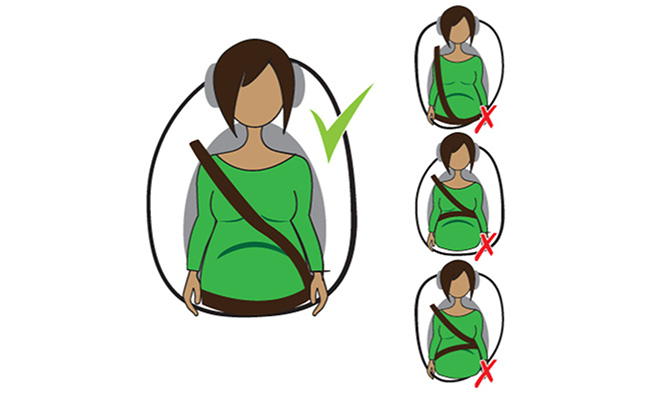
On long car journeys it is important to stop regularly for a break and to stretch your legs. Wear your seatbelt with the cross strap between your breasts and the lap strap across your pelvis under your bump, not across your bump. Road accidents are among the most common causes of injury in pregnant women. Avoid making long trips on your own and share the driving with others when possible.

Cycling

Cycling

Riding a bicycle in pregnancy should be approached with caution, due to the risk of falling which may harm you or your baby. In pregnancy your joints are less stable, your centre of gravity is altered and your reactions are slower. It might be best to avoid cycling unless you are used to cycling regularly.

Vaccinations during pregnancy

Vaccinations during pregnancy

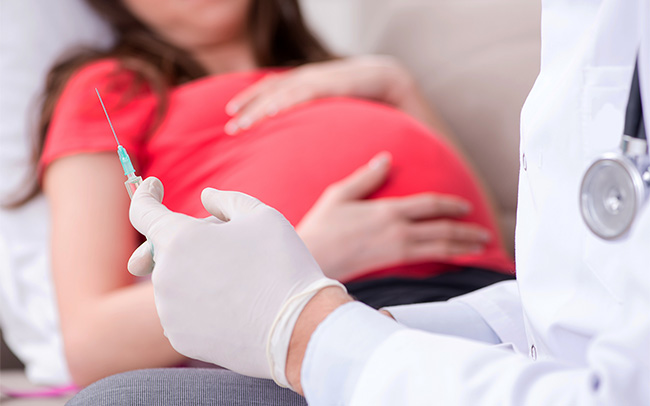
It is currently recommended that all pregnant women have flu and whooping cough vaccinations during pregnancy. Ask your midwife or your GP’s practice nurse about this early in pregnancy. If you are travelling, please see the information on travel safety.

Do you have an appointment for a vaccination?

Please make sure you keep it.

Vaccinations protect against serious illnesses now and in the future, so it’s really important to keep up to date with jabs for you and your family. This is particularly important if you are pregnant or have small children. You should attend your appointments as normal, as long as you don’t have symptoms of COVID-19 and you are not self-isolating. If you are worried or have any questions please call your GP practice.

Flu vaccine

The flu vaccine is available in winter every year and is safe at every stage of pregnancy. The flu vaccine is recommended because catching flu when pregnant can cause serious complications for both you and your baby.

Whooping cough vaccine

The whooping cough vaccine is recommended for all pregnant women and can be given between 16 and 38 weeks of pregnancy. Ideally women should have the vaccination between 16 and 32 weeks of pregnancy as this best ensures the vaccine has sufficient time to provide immunity to your baby. Whooping cough in young babies can cause pneumonia and brain damage, therefore having a booster vaccine during pregnancy will help protect your baby. For more information about the vaccination programme during pregnancy and immunisation in early childhood in the United Kingdom download the MatImms app. The app enables you to set reminders adjusted to your due date and then actual date of birth.

Cytomegalovirus (CMV)

Cytomegalovirus (CMV)

Cytomegalovirus (CMV) is a common virus that is harmless to most healthy adults and children, but can be dangerous if a pregnant woman passes it to her unborn baby (congenital CMV). It is spread via bodily fluids and research has shown that the most common way a pregnant women catches CMV is from a toddler or young child, therefore women working or in regular contact with young children have a higher chance of developing the virus. Simple hygiene methods are believed to reduce the risk of catching CMV and recommendations include not sharing dummies or food utensils with young children as well as regular handwashing. If you are concerned that you may have come into contact with CMV whilst pregnant, please speak to your midwife or doctor. Follow the links for more information.

Group B Streptococcus (GBS)
Group B Streptococcus (GBS)

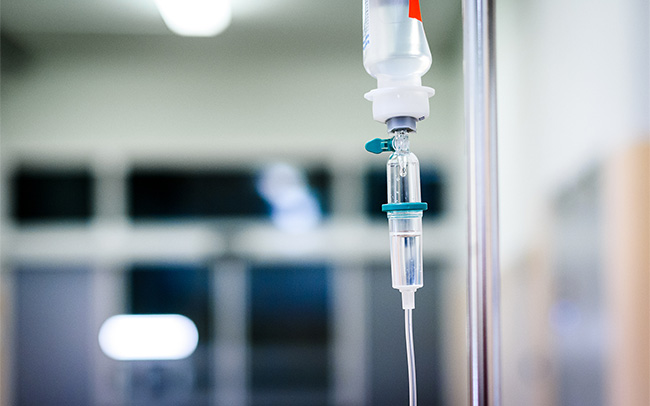
GBS is a common bacterium carried in the vagina and rectum of 2-4 in every 10 women. Carrying GBS is not harmful to you, and causes no symptoms. GBS occasionally causes serious infection in newborn babies, and very rarely, during pregnancy and before labour. GBS can be detected by urine or vaginal/rectal swab tests. The NHS does not routinely offer all pregnant women GBS testing. However, if it is detected during your current or previous pregnancy or if you have had a baby who developed GBS infection in the past, you will be offered intravenous antibiotics in labour to reduce the risk of infection in your newborn baby.

Toxoplasmosis

Toxoplasmosis

Toxoplasmosis is an infection caught by direct contact with cat faeces (poo), contaminated soil or contaminated meat. Most people don’t realise they have it, but it can cause flu like symptoms and it can harm your unborn baby. Pregnant women are advised to wear gloves when gardening or handling cat litter and to thoroughly wash fruit and vegetables to remove all traces of soil. We don’t test for toxoplasmosis routinely as it is very rare.

Sexually Transmitted Infections (STIs)

Sexually Transmitted Infections (STIs)

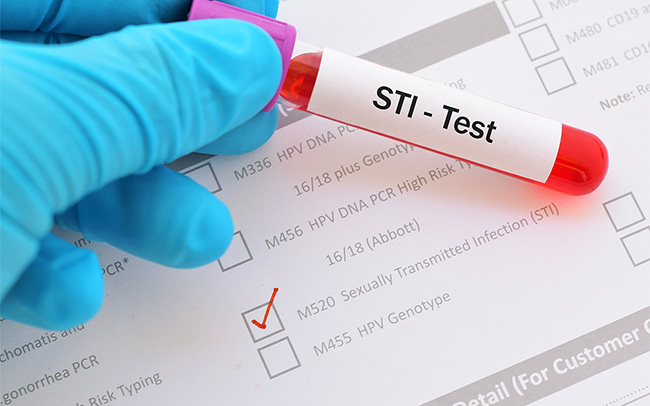
STIs such as chlamydia, herpes and gonorrhoea are becoming increasingly common and when left untreated in pregnancy can be dangerous to your baby. If you are concerned that you or your partner may have been exposed to STIs please attend your local sexual health service clinic for full sexual health screening.