Incontinence
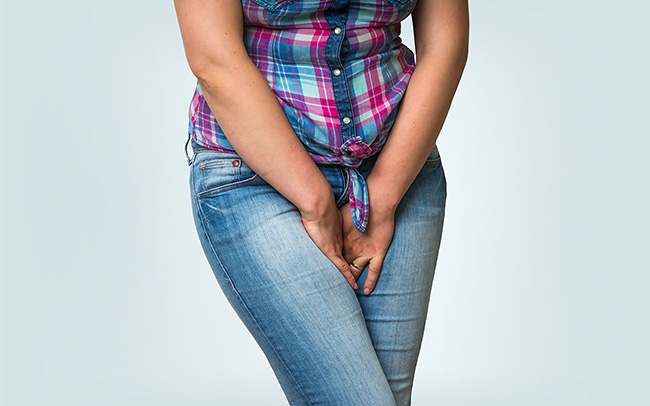 Incontinence can affect women during and immediately after pregnancy, due to the effect of hormones on the pelvic floor, and the pressure from the growing baby. Women may leak a small amount of urine when coughing, laughing, sneezing or moving suddenly.
Should this happen, the first thing to do is to start your pelvic floor exercises daily. It is also helpful to contract your pelvic floor just before you cough, sneeze, lift, laugh or do an activity that causes a leak.
Incontinence can affect women during and immediately after pregnancy, due to the effect of hormones on the pelvic floor, and the pressure from the growing baby. Women may leak a small amount of urine when coughing, laughing, sneezing or moving suddenly.
Should this happen, the first thing to do is to start your pelvic floor exercises daily. It is also helpful to contract your pelvic floor just before you cough, sneeze, lift, laugh or do an activity that causes a leak.
Should the symptoms persist during pregnancy or more than six weeks after the pregnancy, ask your GP to refer you for specialist support. It is recommended that all women strengthen their pelvic floor during pregnancy to prevent and/or treat incontinence.
 Constipation can occur from quite early on in pregnancy. Drink plenty of water, you will need between 1.5 to 2 litres of fluid per day.
Ensure you’re getting lots of fruit, vegetables and fibre in your diet.
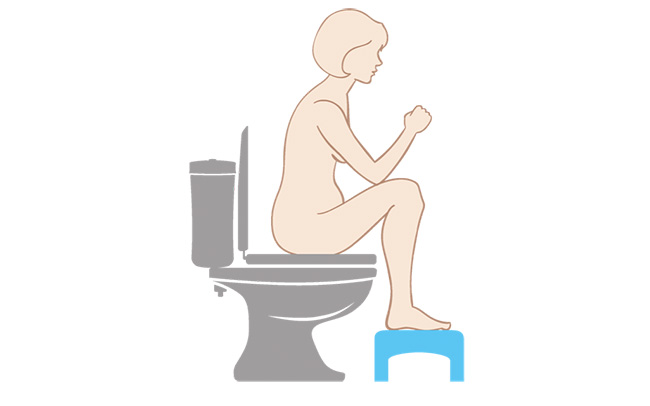
When sitting on the toilet to empty your bowels, it is helpful to have your feet on a stool so your knees are higher than you hips and to lean forwards. This often makes emptying your bowels easier.
Consult your pharmacist for advice if the problem persists.
Constipation can occur from quite early on in pregnancy. Drink plenty of water, you will need between 1.5 to 2 litres of fluid per day.
Ensure you’re getting lots of fruit, vegetables and fibre in your diet.
When sitting on the toilet to empty your bowels, it is helpful to have your feet on a stool so your knees are higher than you hips and to lean forwards. This often makes emptying your bowels easier.
Consult your pharmacist for advice if the problem persists.