Baby blues

Baby blues

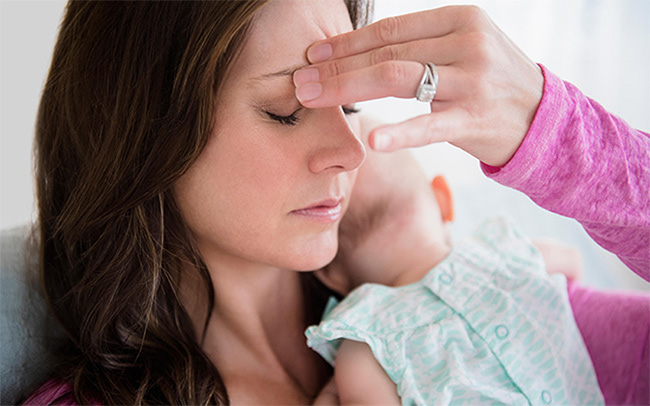
During the first week, the majority of women experience a short-lived change in emotions commonly known as baby blues. This is short period of feeling tearful and overwhelmed, often caused by a combination of exhaustion, life changes and hormones. This is very common and will only last a few days. Symptoms include:
  • feeling emotional and irrational
  • crying over seemingly small things or seemingly over nothing
  • feeling irritable
  • feeling sad or anxious
  • feeling physically exhausted and overwhelmed.
It is important to seek support from your family, friends and midwife during this time and try to get as much rest as possible. If you continue to feel low, or the bad feelings and thoughs get worse, speak to your health visitor or your GP.

Your emotional health

Your emotional health

Having a baby can be joyful, exciting and rewarding. However, mothers and fathers can be under great pressure to act and feel happy and excited during pregnancy and after birth. The reality of transitioning to parenthood is quite different and you may be surprised to experience feelings you hadn’t expected. Be assured: it is also common for new mothers or fathers to experience anxiety, depression or emotional distress. As many as one in five women experience emotional difficulties during pregnancy and in the first year after their baby’s birth. This can happen to anyone.
Perinatal positivity – a video developed by expert clinicians with local women and charities in North West London
If you are experiencing emotional difficulties during this time, it may be that you are experiencing postnatal depression and anxiety. It can occur straight after the baby is born or months later. Each woman is affected in her own particular way but some of the common causes, symptoms and advice about what helps can be found in the pages and related links below.
Portal: Mental health and wellbeing in your region

Placenta accreta

Placenta accreta

The placenta can also sometimes implant abnormally into the wall of the womb. This is a rare condition known as placenta accreta. The risk of having placenta accreta is higher if there is a previous scar on the womb, such as from a previous caesarean section, as the placenta can invade into the previous scar. This is a very serious condition that can be challenging to manage and a hysterectomy (operation to remove the womb) is sometimes needed at the time of delivery.

Placenta praevia

Placenta praevia

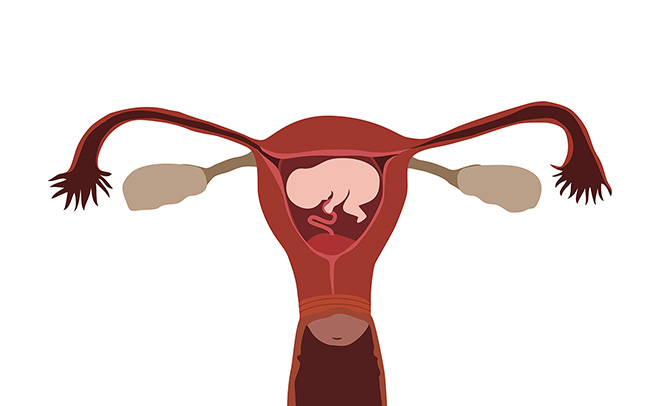
This can be picked up on an ultrasound scan as a low lying placenta in mid pregnancy. This is when the placenta is covering all or part of the entrance to the womb. If you are found to have a low lying placenta you will be rescanned between 32-36 weeks. The majority of low lying placentas will move to the upper part of the womb by 36 weeks, however 10% of low lying placentas remain low. This can cause bleeding in pregnancy that is sudden and severe. A caesarean birth may be recommended in cases of severe placenta praevia, and the likelihood of needing a blood transfusion can be higher.

Intrahepatic cholestasis of pregnancy (obstetric cholestasis)

Intrahepatic cholestasis of pregnancy (obstetric cholestasis)

This is a liver disorder that can develop in pregnancy, usually after 30 weeks gestation, but which sometimes develop as early as 8 weeks, affecting up to one in every 140 pregnant women. Symptoms can include:
  • itching, usually on the hands and feet but which can be anywhere on the body
  • dark urine, pale stools
  • yellowing of the skin and whites of the eyes.

Pre-eclampsia (PET) during pregnancy

Pre-eclampsia (PET) during pregnancy

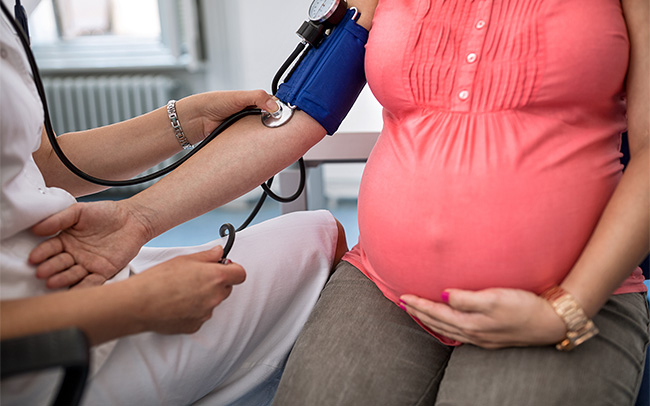
This is a rare but serious condition of pregnancy, usually occurring after 20 weeks. It is defined by the combination of raised blood pressure and protein in the urine. Often there are no symptoms and pre-eclampsia is usually detected through regular antenatal checks, and can sometimes develop quickly. Symptoms include:
  • severe headaches
  • sudden increase in swelling – particularly in the face, hands, feet or ankles
  • problems with your vision such as blurring or bright spots before your eyes
  • severe pain just below your ribs
  • feeling very unwell.
These symptoms are serious and may develop suddenly so you should seek help immediately. Pre-eclampsia can affect a number of body organs like liver, kidney and as severity increases, create problems with blood clotting and therefore the maternity team will monitor your health closely. Pre-eclampsia can also affect the baby’s growth and ultrasounds will be undertaken to monitor growth and the fluid around the baby.

Gestational diabetes

Gestational diabetes

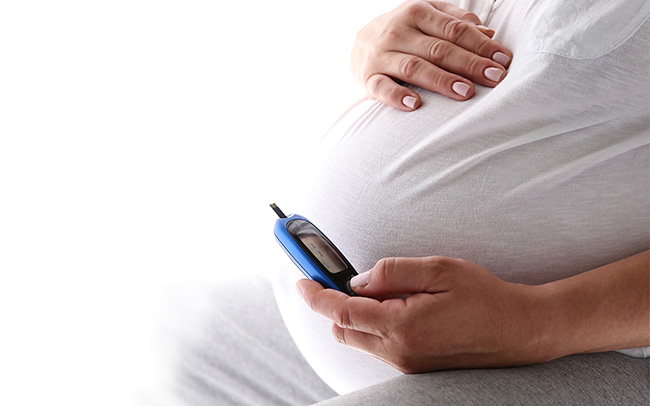
Gestational diabetes is high blood sugar that develops during pregnancy and usually disappears after the birth. It occurs when the body cannot produce enough insulin (a hormone responsible for controlling blood sugar levels) to meet the increased demands of pregnancy. Symptoms aren’t common, but many women are screened for this condition during pregnancy, particularly if they have certain risk factors. Ask your midwife if you are at risk of developing gestational diabetes and if you need to be tested.
Gestational Diabetes Part 1
Gestational Diabetes Part 2
Gestational Diabetes Part 3
Portal: Gestational diabetes (Related link)

Less common pregnancy complications

Less common pregnancy complications

If you have any symptoms of gestational diabetes, pre-eclampsia or intrahepatic cholestasis of pregnancy call your maternity triage/assessment unit straight away.

Increased vaginal discharge

Increased vaginal discharge

Normal vaginal discharge is thin, clear or milky white and mild smelling. As your pregnancy progresses, this discharge usually becomes more noticeable, and is heaviest at the end of your pregnancy. You may want to wear an unscented panty liner. If however, the discharge becomes very smelly or the colour turns green, then you should consult your GP, as this could be a sign of a vaginal infection. Thrush (candida albicans) is common in pregnancy. Symptoms of thrush include; vaginal discharge that is thick, white (or tinged with pink) and can be very itchy. Consult your GP or midwife as thrush is easy to treat with a vaginal pessary and cream.

Pelvic girdle pain

Pelvic girdle pain

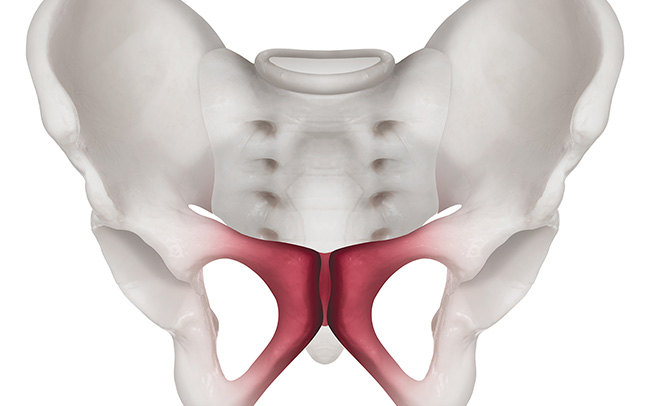
Pelvic girdle pain can affect one in five women during pregnancy. Pain can be in the front, back or side of the pelvis and is normally worse when you are active. It can cause mild discomfort for some, and be very debilitating for others. Try to keep your knees together when turning in bed, getting up from your bed and getting out of the car. Avoid putting excess strain on one side of the body during daily activities, if these activities cause pain. For example:
  • get dressed whilst sitting down
  • take stairs one step at a time
  • use a backpack instead of a handbag.
Ask your midwife about seeing a specialist women’s health physiotherapist if you’re experiencing problems with pelvic pain.