
Listeriosis
 Altough rare, listeriosis infection in pregnancy can lead to miscarriage, stillbirth or severe illness in newborn babies. Listeria can be found in unpasteurised milk and in many chilled foods including pâté.
Altough rare, listeriosis infection in pregnancy can lead to miscarriage, stillbirth or severe illness in newborn babies. Listeria can be found in unpasteurised milk and in many chilled foods including pâté.
Altough rare, listeriosis infection in pregnancy can lead to miscarriage, stillbirth or severe illness in newborn babies. Listeria can be found in unpasteurised milk and in many chilled foods including pâté.
 Cytomegalovirus (CMV) is a common virus that is harmless to most healthy adults and children, but can be dangerous if a pregnant woman passes it to her unborn baby (congenital CMV). It is spread via bodily fluids and research has shown that the most common way a pregnant women catches CMV is from a toddler or young child, therefore women working or in regular contact with young children have a higher chance of developing the virus.
Simple hygiene methods are believed to reduce the risk of catching CMV and recommendations include not sharing dummies or food utensils with young children as well as regular handwashing. If you are concerned that you may have come into contact with CMV whilst pregnant, please speak to your midwife or doctor. Follow the links for more information.
Cytomegalovirus (CMV) is a common virus that is harmless to most healthy adults and children, but can be dangerous if a pregnant woman passes it to her unborn baby (congenital CMV). It is spread via bodily fluids and research has shown that the most common way a pregnant women catches CMV is from a toddler or young child, therefore women working or in regular contact with young children have a higher chance of developing the virus.
Simple hygiene methods are believed to reduce the risk of catching CMV and recommendations include not sharing dummies or food utensils with young children as well as regular handwashing. If you are concerned that you may have come into contact with CMV whilst pregnant, please speak to your midwife or doctor. Follow the links for more information.
 GBS is a common bacterium carried in the vagina and rectum of 2-4 in every 10 women. Carrying GBS is not harmful to you, and causes no symptoms. GBS occasionally causes serious infection in newborn babies, and very rarely, during pregnancy and before labour. GBS can be detected by urine or vaginal/rectal swab tests. The NHS does not routinely offer all pregnant women GBS testing. However, if it is detected during your current or previous pregnancy or if you have had a baby who developed GBS infection in the past, you will be offered intravenous antibiotics in labour to reduce the risk of infection in your newborn baby.
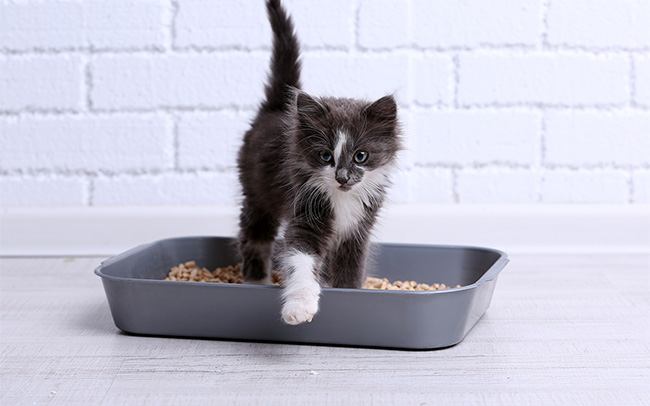 Toxoplasmosis is an infection caught by direct contact with cat faeces (poo), contaminated soil or contaminated meat. Most people don’t realise they have it, but it can cause flu like symptoms and it can harm your unborn baby. Pregnant women are advised to wear gloves when gardening or handling cat litter and to thoroughly wash fruit and vegetables to remove all traces of soil. We don’t test for toxoplasmosis routinely as it is very rare.
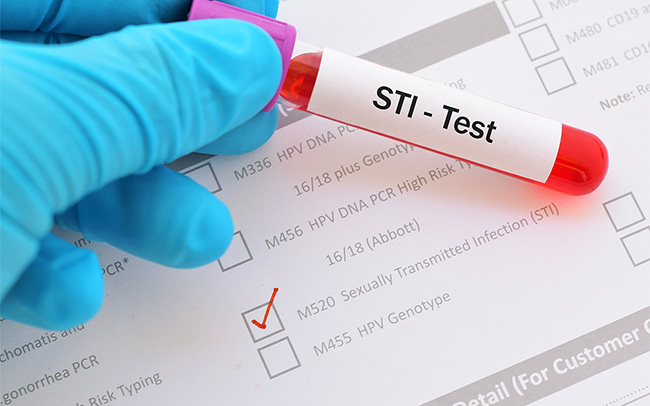 STIs such as chlamydia, herpes and gonorrhoea are becoming increasingly common and when left untreated in pregnancy can be dangerous to your baby. If you are concerned that you or your partner may have been exposed to STIs please attend your local sexual health service clinic for full sexual health screening.
 Parvovirus is very infectious and usually affects children. The main symptom is a red blotchy rash on the face. It can also be accompanied by mild fever, headache and sore throat. If you contract parvovirus in pregnancy it can be harmful to your baby. Please speak to your GP or midwife if you think you may have been in contact with parvovirus.
 Chickenpox is caused by the varicella zoster virus. Chickenpox is highly infectious and can be dangerous to your baby. If you had chickenpox as a child, it is likely that you are immune; you do not need to worry.
If you are unsure whether you have had chickenpox before, you may be offered a blood test to confirm your immunity. If you think you may have come into contact with someone with chickenpox and you know that you are not immune, please phone your GP or midwife for advice. Do not attend the maternity unit for advice unless advised to by your midwife/doctor.
Chickenpox is caused by the varicella zoster virus. Chickenpox is highly infectious and can be dangerous to your baby. If you had chickenpox as a child, it is likely that you are immune; you do not need to worry.
If you are unsure whether you have had chickenpox before, you may be offered a blood test to confirm your immunity. If you think you may have come into contact with someone with chickenpox and you know that you are not immune, please phone your GP or midwife for advice. Do not attend the maternity unit for advice unless advised to by your midwife/doctor.