
Thinking about contraception

Thinking about contraception

It may seem strange to be thinking about contraception whilst you are pregnant. However research has shown that many couples resume sexual intercourse within six weeks of the birth of a baby, increasing the likelihood of another pregnancy within twelve months. Did you know that it is possible to become pregnant 28 days after birth, even before your period returns? Pregnancy intervals of less than one year are associated with a higher risk of complications such as pre-term birth, low birth weight, babies that are small for gestational age and neonatal death. Family spacing can improve your physical and mental health enabling you to achieve optimum health before you conceive again. Take some time to speak to your midwife or doctor about the options available to you, some of which may be available immediately after the birth of your baby.
Antenatal classes: Videos

Antenatal classes: Videos

These short videos have been designed to help those women and their partners who are unable to attend antenatal classes in person.
The Birth Preparation Course Part 1
The Birth Preparation Course Part 2
The Birth Preparation Course Part 3
Birth Choices
Home Birth
Breathing
Early Days Part 1
Early Days Part 2

Introducing a sibling to your new baby

Introducing a sibling to your new baby

There are no rules about when you tell an older child that a new baby is on the way, but opinion suggests it is wise to do so when you tell others so they hear it from you directly. A small child will find it difficult to visualise what this will mean for them so using books or pictures can help, or by reference to other friends who may have had a new brother or sister recently. Provide whatever information is needed within the child’s level of understanding. As the pregnancy grows, spending time to “talk” to the baby together enables the older child to make a connection and feel the baby kick (“talk back”). Bringing home a newborn is a little different the second time around. With your first child, you’re focused on figuring out how to care for a baby. With the second baby, you’re likely to wonder how your older child will react to having a new sibling. The links below offer useful advice on how to handle this transition.

For your baby

For your baby

❏ 1 x pack of nappies ❏ Clothes; sleepsuits and vests (3-4 of each) ❏ Several cotton hats and a woolly hat ❏ Clothes for going home ❏ Socks/mittens (x2 pairs) ❏ Cotton wool/water wipes ❏ Muslin square/bibs ❏ Car seat to take baby home – learn how to use beforehand! ❏ Baby blanket/shawl   If you are planning to formula feed your baby; check with your midwife what you need to take to the maternity unit.

For you

For you

❏ maternity notes and personal care plan ❏ any medications that you take regularly ❏ comfy clothes to wear in labour ❏ slippers and/or flip-flops ❏ dressing gown and pyjamas/nightdress (2) that open at the front (for ease of feeding) ❏ comfy clothes to wear home ❏ crop top/bikini top if using water/birthing pool ❏ comfortable bra/feeding bra ❏ knickers for after the birth – large size, cotton and comfortable and/or disposable knickers ❏ adult size towel (2 if using birthing pool) ❏ toiletries, including toothbrush and toothpaste, hairbrush, hair ties and lip balm ❏ 2 packs of maternity sanitary pads (thick and ultra-absorbent) ❏ breast pads ❏ massage oils for use in labour ❏ glasses/contact lenses ❏ portable speakers/earphones to play music ❏ drinks, snacks and drinking straws ❏ water spray/fan ❏ extra pillow(s) ❏ TENS machine (if you plan to use one) ❏ books/magazines ❏ phone and charger  

For your birth partner

For your birth partner

❏ coins for car park/car park payment details ❏ drinks and snacks ❏ phone and charger ❏ camera ❏ books magazine ❏ comfy clothes/shoes/shorts ❏ overnight stay clothes/toiletries etc. if planning/able to stay

Thinking about feeding your baby

Thinking about feeding your baby

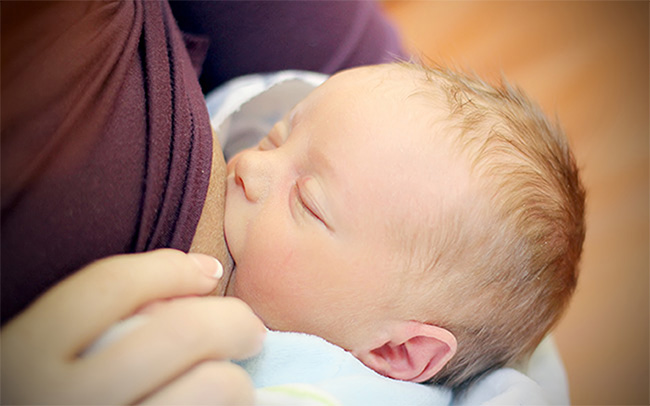
During pregnancy you will have a chance to discuss caring for and feeding your baby, including information about the value of breastfeeding for you and your baby’s health, and how to get breastfeeding off to a good start. It’s never too early to start thinking about how you’re going to feed your baby, but you don’t have to make up your mind until your baby is born. Talking to your midwife about your thoughts and feelings about feeding your baby can be really helpful. You will be supported whatever way you decide to feed your baby. To help feeding go well, ask your midwife about antenatal breastfeeding classes at your maternity unit or in your local area. This can help you and your partner/supporter to feel more confident and prepared, and help you to avoid some common feeding problems early on. If you have particular questions or concerns about feeding, ask your midwife for an appointment with an infant feeding specialist during pregnancy. All women are offered the opportunity to hold their baby in skin-to-skin contact straight after birth, for as long as they want. Discuss the benefits of skin-to-skin contact for both you and your baby with your midwife, and how you feel about it. A midwife will offer to help you to start breastfeeding, or show you how to bottle feed responsively as soon as your baby shows signs that they are ready to feed, usually within the first hour after birth. Your baby won’t be separated from you unless he or she requires special care. After your baby is born you will be offered support from your maternity team to ensure breastfeeding gets off to a positive start. There will also be support available when you are at home. Explore the related links to find out more about infant feeding.
Human milk

Hand expressing colostrum before your baby is born

Hand expressing colostrum before your baby is born

Mothers start to produce colostrum (early breast milk) mid-way through pregnancy.  Learning how to express this milk before your baby comes can be very useful, particularly if your baby is likely to be premature or separated from you after birth or if you are diabetic or taking medication for high blood pressure. You can start this from around 37 weeks gestation, and you can collect your colostrum and store it in the freezer if you wish. You may only express a few drops of colostrum when you first start hand expression – this is normal and does not mean that you don’t have any milk. It is still worthwhile practising the technique in preparation for your baby’s arrival. Read the related links for more information and talk to your midwife or infant feeding specialist. See How to hand express within Expressing milk in the After your baby is born section for a step by step guide and video.

When to consider hand expressing

Any expectant mother can express her breast milk from 37 weeks gestation. It is particularly useful if you know that your baby is at an increased risk of having a low blood sugar in the first few hours after birth. This can include:
  • women with gestational diabetes or pre-existing diabetes in pregnancy
  • infants diagnosed during the antenatal period with cleft lip and or palate and congenital conditions
  • mothers having a planned (‘elective’) caesarean birth
  • infants with intrauterine growth restrictions
  • mothers with breast hypoplasia
  • women with hyperandrogenesis (polycystic ovarian disease)
  • women who have had breast surgery
  • women with multiple sclerosis or rheumatoid disease
  • strong family history of allergies or inflammatory bowel disease
  • mothers with high blood pressure
  • mothers taking beta blockers (e.g. labetalol).

Breastfeeding and diabetes

  • babies who are breastfed are less likely to develop childhood diabetes
  • it is recommended that mothers who have diabetes avoid giving their baby any formula milk
  • if you have diabetes and are insulin dependent you may find that you need less insulin when you are breastfeeding and may need to eat more
  • if you have gestational diabetes and breastfeed you are less likely to go on to develop diabetes in later life.

When hand expressing is not recommended

Antenatal hand expression is not recommended in the following circumstances:
  • history of threatened or premature labour
  • cervical incompetence
  • cervical suture in situ.