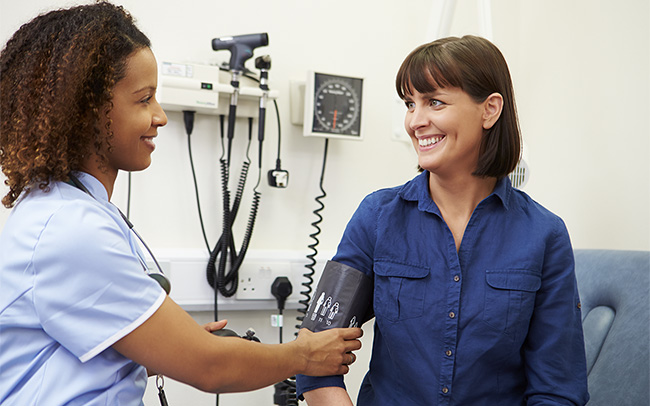
enquire how you are feeling and if you have any concerns
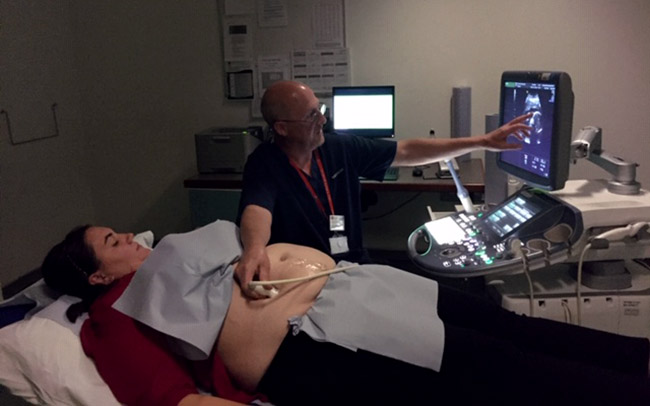
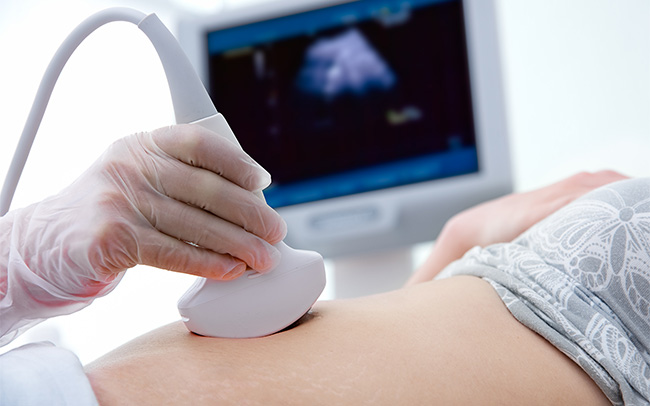
tell you exactly how many weeks pregnant you are, and work out your estimated date of delivery
check your baby is growing healthily and in the right place in the womb
take a specific measurement to screen for chromosomal syndromes (such as Down’s syndrome), if you have consented to be tested for this as part of combined screening
be able to reassure you and, if required, signpost you to appropriate services.
Your baby grows faster than at any other time in the first 12 weeks. The fertilised egg implants in the womb and divides rapidly into layers of cells.Morning sickness is common at this stage, and may occur at any time of day. You may also experience breast tenderness, tiredness, mood swings and changes in your reaction to certain smells and foods along with a metallic taste in your mouth. During this time you may experience some spotting or slight vaginal bleeding, which is nothing to worry about. Some women experience no obvious signs or symptoms of pregnancy – everyone is different. Symptoms can also come and go on a daily basis, and this is perfectly normal.You won’t feel your baby moving at this stage, nor will you have an obvious baby bump. The first movements are normally felt between 16 and 24 weeks.You will have your first appointment with your midwife by 10 weeks. You will also be offered some blood tests. Your midwife will explain all screening tests to you in full. Your first ultrasound scan should be offered to you between 11 and 13 weeks.
Finding out you are going to become a parent can be an exciting but daunting time. The closer you are to your pregnant partner, the more you’ll be able to share the experience of pregnancy and birth.
Early pregnancy
Whether the pregnancy was planned, or it is unexpected, it is normal to feel a range of emotions when you discover your partner is pregnant. Talk to your partner, friends and family about how you are feeling. Your partner may be irritable about things that seem small to you; this is due to the effect of hormones on her mood, and her own fears and anxieties.Be patient and learn to support each other and encourage her to talk to those close to her, or her midwife/doctor. Learn about the screening tests and scans offered in pregnancy. These tests can have implications for you, your partner and the pregnancy as it progresses.
During pregnancy
Attend antenatal classes with your partner (most classes are designed for both mum and partner) as these will help you feel prepared for the birth and caring for the new baby when he/she arrives. Increase your share of the housework, if possible. If you smoke, now is a great time to stop due to the risks of passive smoking on your partner and your baby after birth. Unborn babies that are exposed to smoke are at a greater risk of complications during pregnancy, such as not growing well or even being stillborn. After birth, even if you smoke outside, there is an increased risk that your baby will be affected by Sudden Infant Death Syndrome. Ask your GP for help to stop smoking.Support your partner as much as possible, but also find time for yourself to relax. Take pictures with your partner and her growing pregnancy bump, if she likes, as these make great memories. Try bonding with your baby by talking or singing to him/her during pregnancy.

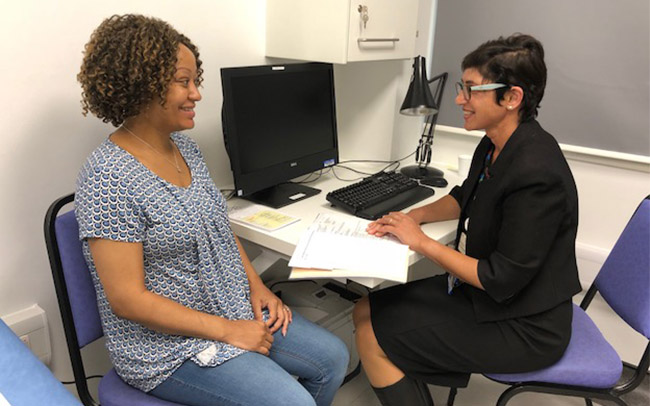 Your care provider will: