Coping in early labour

Coping in early labour

The early labour (or latent) phase is usually spent at home, and there are plenty of things you can try to ease any discomfort you have whilst also encouraging labour to progress well. These simple techniques can also help throughout labour:
  • having a warm bath or shower
  • sleeping/resting in between contractions
  • eating and drinking, little and often
  • staying calm and relaxed and focusing on deep, slow breathing
  • distraction techniques such as cooking or watching TV
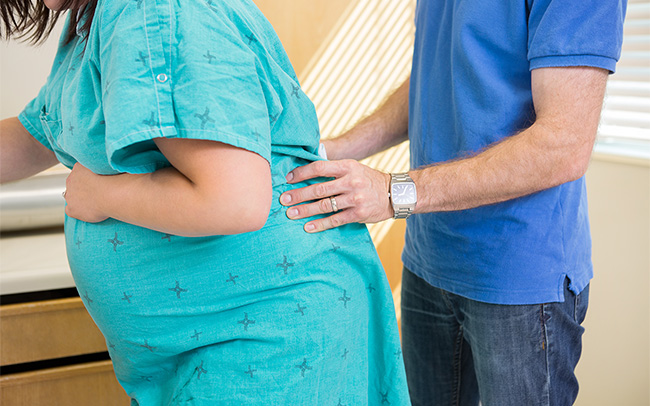
  • massage from your birthing partner, particularly on the lower back and/or shoulders
  • trying different positions or going for a gentle walk.

Coping strategies and pain relief in labour

Coping strategies and pain relief in labour

As labour progresses, there are plenty of options available to help you manage the sensation of the contractions as they get stronger and more intense.

What happens if my baby is born prematurely?
What happens if my baby is born prematurely?

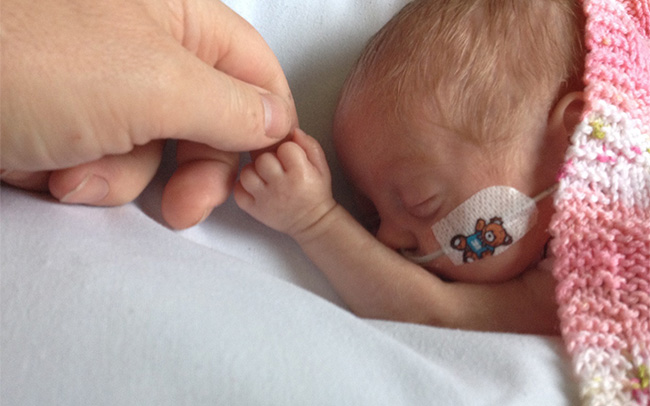
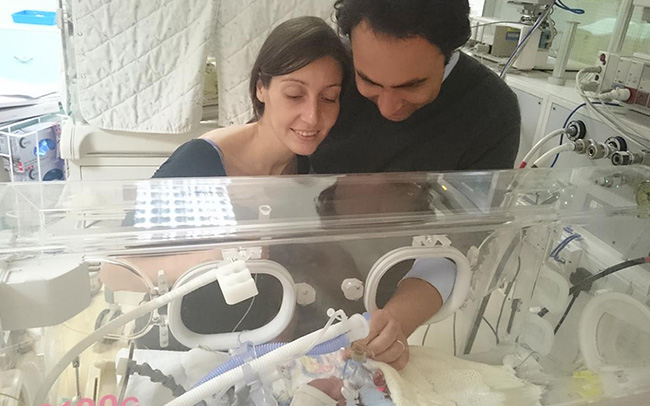
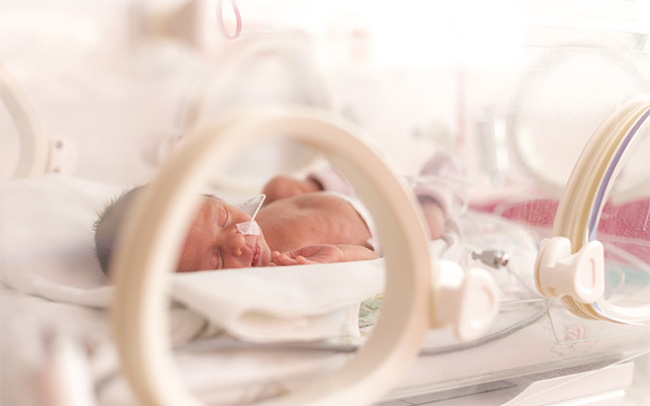
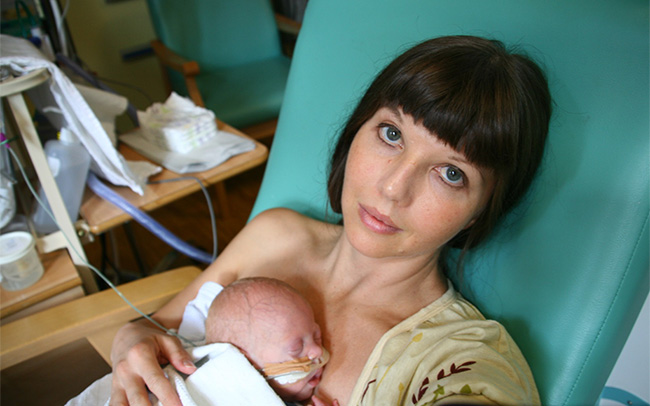
Babies born before 34 weeks are likely to need extra help with breathing, feeding and keeping warm, and would therefore be transferred to the neonatal unit for care. This care is provided by a highly skilled neonatal team. Your baby may need to be in an incubator, however once they are stable you should be able to hold them and have skin-to-skin contact. Colostrum and breast milk are very beneficial for babies that are born early. If your baby is too small to feed itself you can express your breast milk and this will be given to your baby via a tube. The neonatal team will support you with expressing your milk. Once your baby/babies can breathe on their own, feed via the breast or bottle and have gained weight, you will be able to take them home. This can often take several weeks if your baby was born extremely preterm. You will be supported by the maternity team whilst you and your baby remain in the maternity unit. There are also many organisations that provide support to parents of preterm babies.
Reducing cerebral palsy in pre-term babies


What happens if I go into preterm labour?

What happens if I go into preterm labour?

Depending on how many weeks pregnant you are, you may be offered medicines to try and slow down or stop your labour, antibiotics to reduce the risk of developing an infection, and steroid injections that are given to you, to help your baby’s lungs develop and prepare for life outside the womb should they be born early. If your baby is extremely preterm (less than 28 weeks) you may need to be transferred to a maternity unit with a neonatal intensive care unit.
Portal: What happens if I go into preterm labour?

Causes of preterm birth

Causes of preterm birth

A baby may be born prematurely as a result of preterm labour or because an earlier birth is recommended, due to complications that may have arisen during the pregnancy (affecting the mother or the baby). In many cases, it is not clear why labour starts early, however factors known to increase the risk of preterm labour include the following;
  • premature rupture of the membranes (your waters breaking early)
  • some infections, such as chorioamnionitis, which effects the membranes and amniotic fluid protecting the baby
  • multiple pregnancy (the average twin pregnancy is 37 weeks in length, and the average triplet pregnancy is 33 weeks in length)
  • previous preterm delivery
  • having a placenta that is ‘low-lying’ (meaning it either partially or completely covers the cervix) or having a placental abruption (meaning the placenta starts to separate from the wall of the womb)
  • maternal medical conditions, including diabetes or conditions linked to inflammation (eg. Crohn’s disease)
  • being a smoker, drinking alcohol or using illegal substances
  • low Body Mass Index (having a weight that is considered to be low for your height)
  • biopsies or LLETZ treatments to remove abnormal cervical cells
  • having a weak cervix that might open during pregnancy
  • polyhydramnios (excessive amniotic fluid)
  • intrahepatic cholestasis of pregnancy (a pregnancy condition affecting your liver)
  • abnormalities of the shape of the womb
Sometimes, you may develop a complication during your pregnancy and your healthcare professional may recommend preterm delivery. Examples of conditions that may require preterm delivery include:
  • moderate to severe pre-eclampsia (a pregnancy condition causing high blood pressure which can also affect some of your internal organs)
  • poorly controlled diabetes
  • intrauterine growth restriction (when your baby’s growth slows down or stops)
  • if your waters break early and you are developing an infection
  • other medical complications of pregnancy.
Women who are considered to be at risk of starting labour prematurely may be offered treatment to maintain the pregnancy for as long as is safely possible.

Preterm labour and birth

Preterm labour and birth

A baby that is born before 37 weeks gestation is considered to be ‘premature’ or ‘preterm’.  There are different categories of prematurity:
  • extremely preterm (less than 28 weeks)
  • very preterm (between 28 and 32 weeks)
  • moderate to late preterm (between 32 and 37 weeks).
In the UK, roughly one in every 13 babies will be born prematurely. Preterm birth carries risks because babies who are born too soon may not be fully developed, and need specialist help for life outside of the womb. Preterm babies are also at risk of longer term health problems.

Call your midwife or maternity unit if you are less than 37 weeks pregnant and you have:

  • regular period type pains or contractions
  • constant abdominal pain
  • a “show” – the mucus plug that sits inside the cervix during pregnancy. This can be clear or blood stained
  • fresh red bleeding from the vagina
  • a gush or trickle of fluid from your vagina – this could be your waters breaking
  • backache that is not usual for you, or pressure in the vagina or rectum.
You may find this range of videos about premature birth from Best Beginnings helpful:

Birth with twins

Birth with twins

During pregnancy you will have an appointment to discuss your options for the birth of your twins. More than 40% of twins are born vaginally with the remainder being born by either planned or emergency caesarean. In some cases a planned caesarean will be recommended, for example, if your babies share one placenta, or the first baby is in the breech (bottom first) position. During labour, it is recommended that your babies have continuous electronic fetal monitoring, as the risk of complications during labour is higher for twins. It may also be recommended that you have an epidural, in case you require an emergency caesarean birth quickly. There will be more people at the birth of twins, often two midwives, two obstetricians and two neonatal doctors. If you have triplets or more, planned caesarean birth would be recommended for you as the safest way to deliver your babies.

Planned caesarean birth

Planned caesarean birth

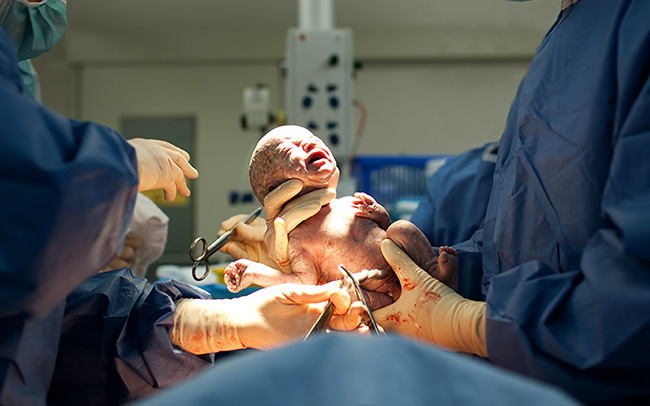
Just over one in ten women will have a planned caesarean birth. This is due to a variety of factors, and the decision will be made together with your obstetric and midwifery team. The day before your caesarean you will be asked to take some medications. These should be taken the night before and also on the morning of your operation, as directed. You should not eat any food after midnight but may drink water until 6am on the morning of your operation. On the day of your caesarean you will normally arrive at your maternity unit early in the morning. Sometimes if the labour ward is busy, you may have to wait for a period of time before your operation can start. In the operating theatre, your chosen birth partner can normally accompany you and can stay by your side throughout the surgery, unless, for medical reasons, you require a general anaesthetic. The majority of women have a spinal anaesthetic or combined spinal epidural which causes the body to go numb from the abdomen to the feet. A catheter will be inserted into your bladder, and this will normally be removed the following day. Once the operation starts, the baby is normally born within 10 minutes, and all being well you can have skin-to-skin contact with him/her in the operating theatre while the operation is completed. After the surgery you will spend a few hours in a recovery area, and a nurse or midwife will check your observations regularly. You can start bonding with and feeding your baby during this time. Your anaesthetic will wear off after a few hours. You will normally stay on a postnatal ward for one to three nights, depending on your recovery. You will be given regular painkillers. You will be helped to become mobile once the anaesthetic wears off. Early mobilisation and pressure stockings are recommended for all women to reduce the risk of developing blood clots after surgery. Some women are offered blood thinning injections.

Positions for labour and birth

Positions for labour and birth

During labour, it is good to stay as active as possible, and to try different positions. By doing this you will encourage your baby through the birth canal in the best position for birth, whilst also helping your own comfort and coping ability. Staying active and upright is also known to shorten the length of labour. You can try:
  • walking
  • standing with support from your birth partner
  • going up and down stairs
  • rocking/swaying
  • using a birthing ball
  • sitting upright or squatting
  • all fours position (on your hands and knees) or kneeling
  • lying on your side, supported by pillows (when you want to rest).
During birth, your midwife will support you to try different positions. It is important to listen to your body, and try whatever feels right for you. The positions you can adopt may depend on whether you’ve chosen to have a water birth, or if you have an epidural.
Positions for birth

Monitoring your baby

Monitoring your baby

During labour, your midwife will listen to your baby’s heartbeat to check his/her wellbeing, and to ensure he/she is coping well with labour. There are three different ways your midwife can check this, by using either:
  • a hand-held machine
  • a pinard stethoscope; or
  • continuous electronic fetal monitoring.
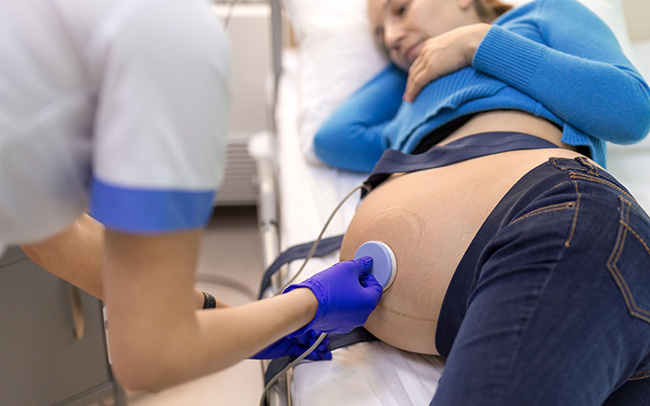
If you have had a normal and healthy pregnancy, and your labour started naturally after 37 weeks, you will normally be offered monitoring using a small-hand held machine which produces the sound of your baby’s heartbeat. This is the same machine that your midwife/doctor used to listen to your baby’s heartbeat during pregnancy. Your midwife will listen to your baby’s heartbeat intermittently and regularly throughout labour. Your midwife may choose to listen to your baby’s heartbeat with a pinard stethoscope. Like a traditional stethoscope you will not be able to hear the heartbeat but the midwife will hear it clearly. Continuous electronic fetal monitoring (sometimes called a CTG) is a machine which is used to record your baby’s heartbeat and the contractions of your womb constantly throughout labour. It may be recommended that you have this type of monitoring if you’ve had any complications during pregnancy or labour. Midwives and/or doctors will look at this recording regularly throughout labour. You will need to wear two belts around your abdomen to keep the monitors in place. In some units a wireless machine may be available (this is known as telemetry), which means you may be able to move around more freely. Additional monitoring may be recommended if your midwives or doctors are concerned about your baby’s heartbeat during labour, this could be either:
  • a fetal scalp electrode (FSE) which is attached directly to your baby’s head
  • a fetal blood sample (FBS), this test involves checking your baby’s oxygen levels by taking a small sample of blood from your baby’s head.