Caesarean birth

Caesarean birth

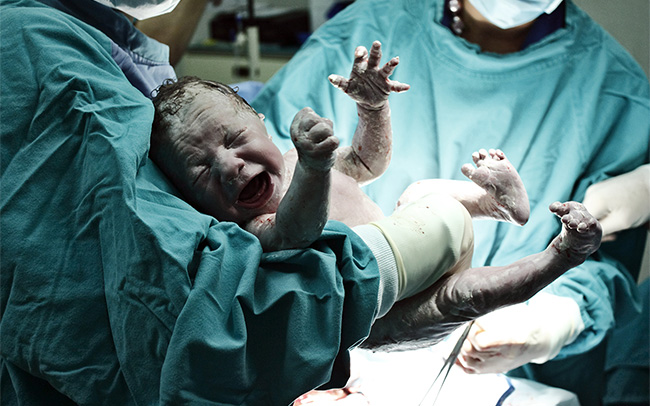
Around 15% of babies are born by emergency caesarean section, either during pregnancy or labour. The most common reason for this is a concern with the health of the baby, meaning that to continue in labour is not thought to be the safest option. Most women will have an epidural or spinal anaesthetic to ensure they do not feel the operation, however in some cases where the pain relief isn’t adequate, or there isn’t enough time to put the spinal in, a general anaesthetic might be advised. There are some associated risks with caesarean section delivery, for both you and your baby and your team will discuss these risks with you prior to the surgery. Recovery from emergency caesarean is the same as recovery from a planned caesarean.
What is involved in a caesarean?
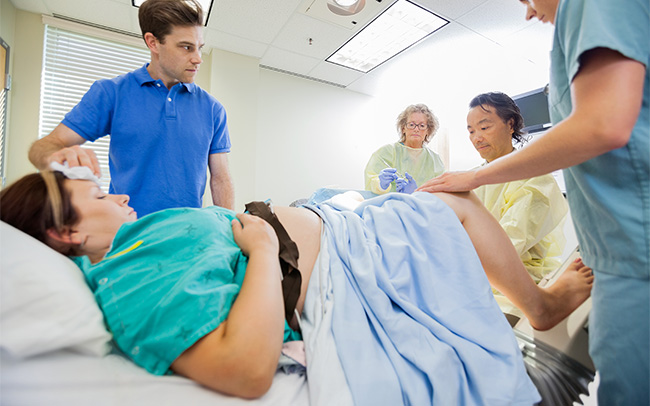
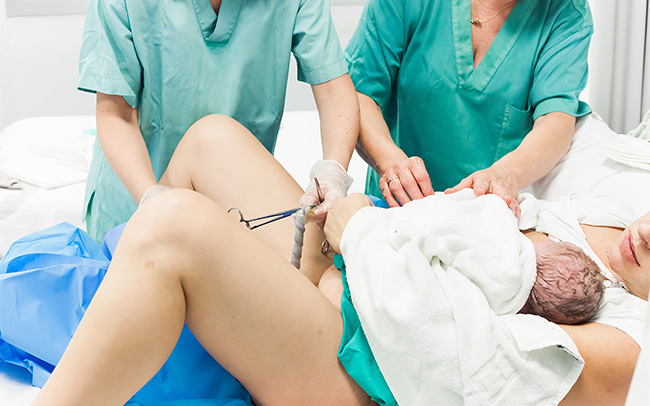
Ventouse or forceps

Ventouse or forceps

In some cases your doctor may recommend assisting the birth of your baby by using either a ventouse or forceps. This may occur where the second stage of labour (the pushing stage) is longer than expected, where your baby’s head is not in the best position to come through the birth canal or if there are changes to his/her heartbeat meaning that birth needs to happen as soon as possible. A ventouse is a metal or plastic suction cup that is placed on your baby’s head. Forceps are curved metal tongs that are placed around your baby’s head. You will be offered pain relief for an assisted birth, with either local anaesthetic or an epidural. The birth will be managed by an obstetrician, your midwife will be present to help and support you. Your doctor will gently pull using the ventouse or forceps whilst you push during your contractions. Sometimes several pulls are needed, or if one method doesn’t work, the other may be tried. You are more likely to need an episiotomy, particularly if forceps are used. In rare circumstances, if neither ventouse or forceps successfully deliver your baby, a caesarean birth might be recommended.
What’s involved in assisted birth?

Episiotomy

Episiotomy

An episiotomy is a cut that is made (with your consent) to the perineum (the area between your vagina and your rectum) to assist in the birth of your baby. Your midwife or doctor may recommend this if:
  • your baby’s heartbeat suggests that he or she needs to be born as quickly as possible.
  • if you are having an assisted birth; or
  • if there is a high risk of a serious tear affecting your rectum. An episiotomy is repaired using dissolvable stitches and normally heals within a month of birth.

Oxytocin (known as synth or syntocinon)

Oxytocin (known as synto or syntocinon)

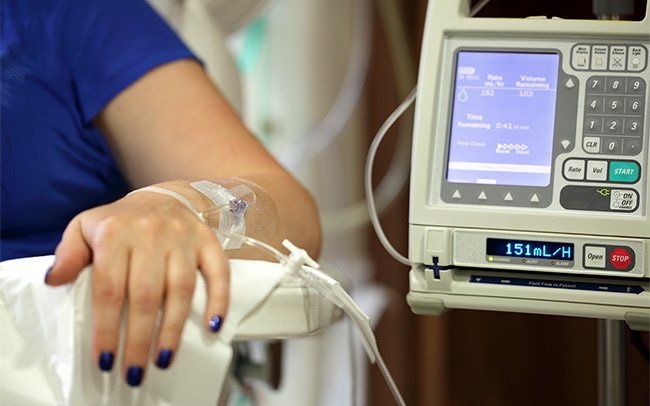
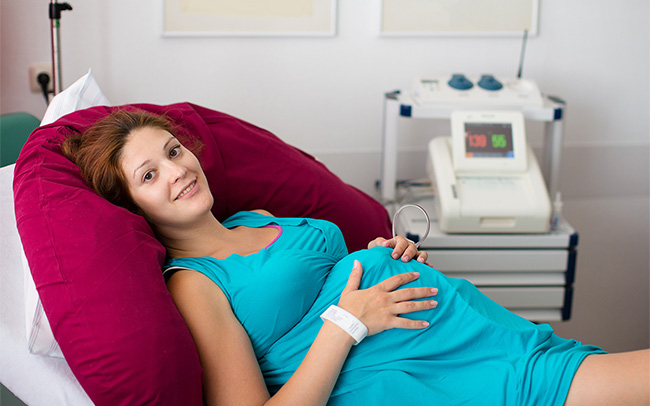
Oxytocin is the naturally occurring hormone that causes your womb to have contractions. If your contractions slow down, or are not effective in causing the cervix to dilate, it may be recommended that you have a synthetic oxytocin drip which is given in small amounts directly into a vein via a cannula. Oxytocin makes contractions stronger and more regular. If you have an oxytocin drip, close monitoring of you and your baby (using continuous electronic fetal monitoring, sometimes called cardiotocograph or CTG) is recommended.

Breaking your waters (amniotomy)

Breaking your waters (amniotomy)

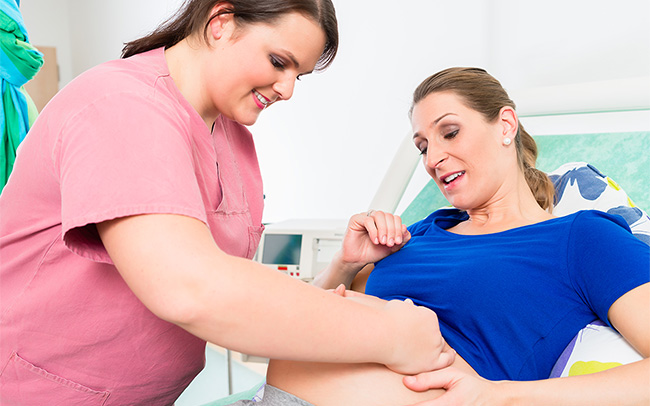
Before, or during labour your waters will normally break at some point (although sometimes they don’t – and some babies are born in their amniotic sac). If your labour seems to have slowed down or there are concerns about your baby’s wellbeing, your midwife might recommend breaking your waters. This is done during a routine vaginal examination, it does not hurt your baby, and has been shown to sometimes reduce the length of labour. If you think your waters have broken it is important to call your maternity Triage/assessment unit straight away, particularly if you think you can see meconium, which is green or brown in colour. If you are less than 37 weeks pregnant this may be a sign of premature labour.