Carpal tunnel syndrome

What is Carpal tunnel syndrome (CTS)?
There are eight small bones called the carpal bones in the wrist. These bones form a semi-circle, and a tough band of tissue (the carpal ligament) forms a roof over these bones. This tunnel is known as the ‘carpal tunnel’. Passing through this tunnel are the tendons which move the fingers and thumb and the median nerve. When the median nerve gets compressed (squeezed or pinched) in the tunnel, it causes the symptoms of CTS.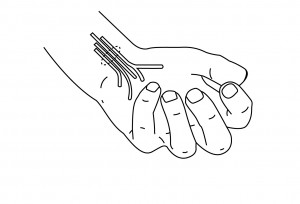 During pregnancy, the body naturally retains more fluid, and swelling of the hands is common. If some of this fluid is localised to the carpal tunnel, this leads to pressure on the median nerve causing the symptoms of CTS. Up to 62% of pregnant women develop CTS. These symptoms are also common after the birth.
What are the common symptoms?
Symptoms are commonly felt in the thumb, index and middle fingers. You may have symptoms in one or both hands. Symptoms may include:- pain in your wrist, palm or forearm
- ‘pins and needles’
- numbness
- weakness caused poor grip or clumsiness
- burning sensations in the fingers
- hands may appear swollen
What can you do to help yourself?
Positioning
Keep your wrists straight to avoid putting pressure on the nerve. You may find wearing a wrist splint useful at night and when resting during the day. Do not put splints on too tightly and do not wear them continuously unless advised.Rest
Reduce all non-essential activities, such as shopping, carrying, lifting and repetititve tasks such as typing and writing.Ice
Using an ice pack over the wrist/hand area may hellp reduce the swelling and pain. Leave for 10 minutes.Contrast bathing
Using alternating heat and cold can also be helpful to reduce pain and swelling. You can do this by either using an ice pack and hot water bottle wrapped in a tea towel or by dipping your hands in cold or warm water. Alternate between warm and cold for 30 seconds each, for 5-6 minutes, always finishing with the cold. You can do this 3-4 times a day. Precaution: always check the water temperature before immersing your hand.Elevation
When possible, place your wrists on pillows above the level of your heart to reduce swelling. This can be veery useful at night – remember not to sleep with your hands under your pillow.Movement/Exercise
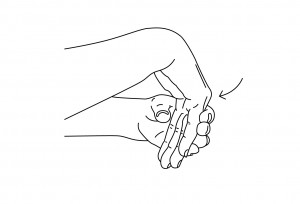
These exercises done throughout the day between rest periods may help relieve your symptoms. Aim to do the exercises at least three times every day. 1. Bend and straighten your wrists keeping your fingers straight. Hold each position for 5 seconds and repeat x10: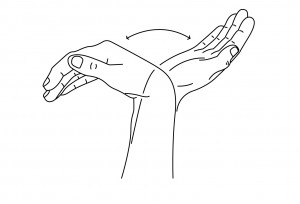 2. Hand squeeze. Make a release a fist (this can be done with your hands elevated). You could also squeeze a stress ball:
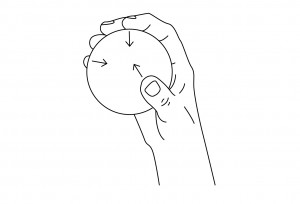 3. Fingers bend and straighten. Forearm upright, wrist and fingers straight. Now hook your fingers down, trying to touch the tips of your fingers to the top of your palm. Straighten again. Repeat 10 times: