Paediatrician/Neonatalogist (baby doctor)

Paediatrician/Neonatalogist (baby doctor)

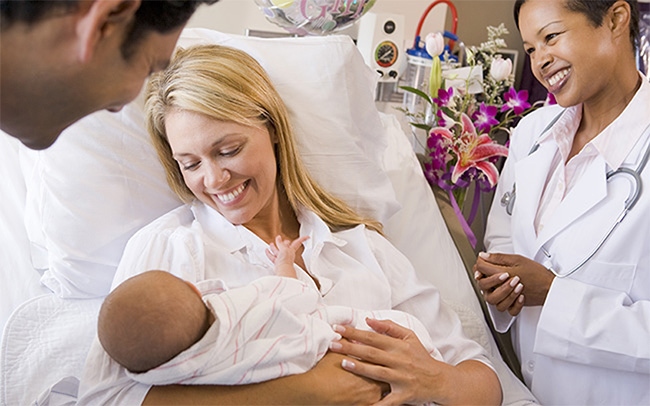
Paediatricians or neonatologists are doctors specialising in the care of newborn babies and children. They will be involved in your care if early (premature) delivery is anticipated or if there are likely to be concerns about the health of your baby during or after the birth.

Multidisciplinary professionals

Multidisciplinary professionals

Depending on your personal needs and circumstances, you may have a wider team to help and support you and your family. Other professionals that may be involved in your care could include family nurses, social workers, perinatal mental health/outreach teams and family support workers. Children’s Centres bring together a range of professionals to help, guide and support you through the parenting journey until your child starts school. There are a number of agencies and staff working in the Centres who can support you. You will meet family support workers in every Children’s Centre you visit. They may be delivering sessions or providing outreach opportunities in community centres, voluntary sector groups, clinics and libraries. They may also support you with some brief interventions if you have a particular issue you may be strugging with. Accessing a Children’s Centre will give you the opportunity to meet other parents and provide an opportunity for your children to grow, play and make new friends. Other professionals you may find in a Children’s Centre include:
  • Midwives
  • Health visitors
  • Family support workers
  • Family nurses
  • Speech and language therapists

Pelvic health physiotherapists

Pelvic health physiotherapists

Pelvic health physiotherapists may be involved in your care, if you:
  • experience bladder problems including on-going postnatal incontinence
  • have given birth to a baby that weighs more than 4 kilograms
  • had an assisted birth or sustained a third or fourth degree tear.
If this service is offered by your maternity unit, you may see them on the postnatal wards or be invited for a follow-up appointment or class  approximately six weeks after giving birth. Should you have any on-going concerns when you are home from the maternity unit and you have not been offered this service, speak to a midwife or GP, who can refer you to a pelvic health physiotherapist.
Portal: Pelvic health physiotherapists

Obstetrician

Obstetrician

If you require a physical follow up with an obstetrician and/or have had a difficult or traumatic birth, an appointment will usually be made for you at approximately six weeks after the birth. In the meantime, any concerns that you have can be discussed with your midwife, health visitor or GP.

GP

GP

For any non-urgent concerns about you or your baby you should contact your community midwife, health visitor or GP.   You will need to register your newborn baby at your GP surgery as soon as you have a birth certificate.  It is important to do this as early as possible so that you have access to care if and when you need it. In some circumstances (such as requiring urgent care) you can register the baby with the GP with your baby’s NHS number.   You need to make an appointment to see your GP six to eight weeks following birth.  This appointment is for you and your newborn baby and is an opportunity to check how you are after the birth. Your GP will also conduct some routing checks on your newborn. If you were due to have a smear test just before or during your pregnancy, this needs to be scheduled for at least 12 weeks after birth.

Health visitor

Health visitor

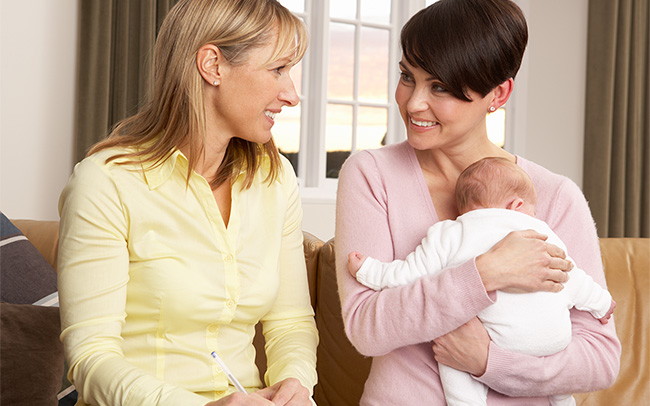
A health visitor is a nurse or midwife who has undertaken additional training. You will have access to support from your health visiting team with your child’s health and development until they start school. Your health visitor will be notified that you are pregnant when you book with the midwife in the first few months of your pregnancy. They will contact you before your baby is born; you may be invited to a group or an appointment with the health visiting team. Once your baby is born, your health visitor will contact you. The first check (New Baby Review) will usually occur 10 to 14 days after the birth. The health visitor will check on the health and wellbeing of the parents and baby, provide support with feeding and give important advice on keeping safe. They will also discuss early bonding with the baby, talk about feeding, check the baby is putting on weight appropriately, explain the immunisation programme and talk about important safety measures, such as car seats. At this point, parents often seek advice on establishing a routine, as well as information on sleep, crying and colic. Health visitors are linked to Children’s and Family Centres, Health Centres or GP surgeries. To contact your health visitor and find out which health visiting team you have been allocated to, contact your Children’s Centre, Health Centre or GP surgery. Health visitors can offer baby clinics, health checks and opportunies to talk about any concerns you may have in Children’s or Family Centres. Children’s and Family Centres will also offer parenting workshops and developmental workshops, helping you to understand how your baby develops and how to play and interact with your child. You can also meet other parents with their babies at the Centres. At six to eight weeks old, the health visitor will assess the baby’s growth and your health, particularly looking out for signs of postnatal depression. This is also an opportunity to find out about the childhood vaccination programme.
What do health visitors do?

Community midwife and support workers

Community midwife and support workers

Community midwife

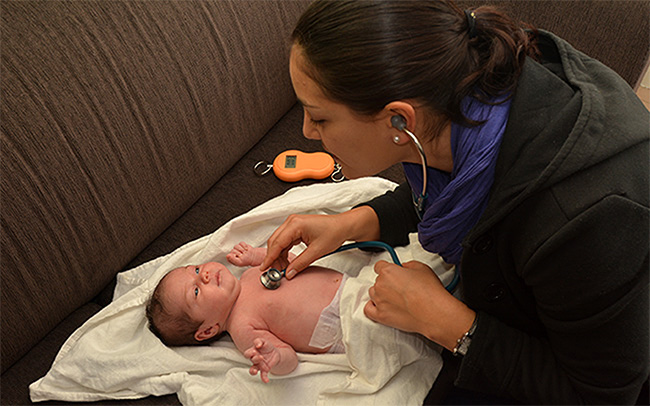
After you leave the maternity unit, you will be seen at home or in postnatal clinics by a community midwife. This midwife will come from your closest maternity unit, which may not be the one in which you gave birth – therefore please confirm the contact details with your midwife in the maternity unit prior to being discharged home. Your community midwife will explain the pattern of visits that you can expect, and provide information on your local services. If you have any problems, you should request an additional home or clinic visit, or telephone consultation with your community midwife team. If you have not heard from a community midwife within 48 hours of being discharged home, contact the maternity unit where you gave birth.

Community maternity support worker

Community midwives are often supported by community maternity support workers in assessing maternal and newborn wellbeing and are fully trained to help you with infant feeding. For information on the infant feeding support available, speak to your community midwife.

Midwives on the postnatal ward

Midwives on the postnatal ward

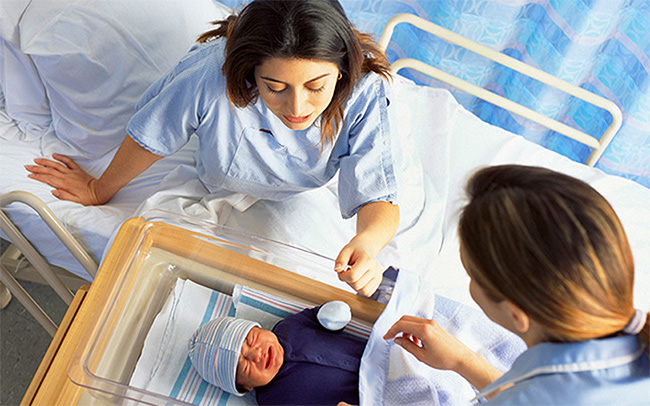
As part of your wellbeing and follow-up care your midwives will:  
  • perform several checks on you before you go home
  • arrange any medication you may need to take with you
  • check how well your baby is feeding and talk through the things you can expect once at home
  • arrange for a midwife to visit/contact you within the next two days
  • give you some important paperwork, including the Personal Child Health Record (or red book).