When to breastfeed

When to breastfeed

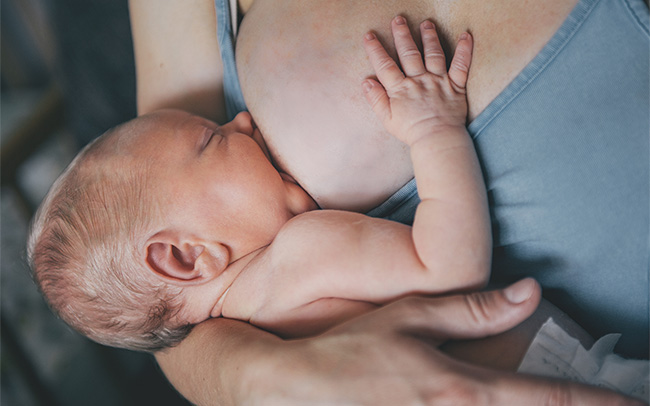
Offer a breastfeed to your baby whenever he/she shows early cues that they are ready to feed, such as:
  • wriggling
  • rapid eye movements
  • hand to mouth movements
  • sucking their fingers, fist or blankets
  • rooting (turning head to the side and opening mouth)
  • hand waving
  • slight murmuring noises.
You can also breastfeed when your breasts feel full, when it is convenient for you (for example, when you want to go out) or when you want a rest or cuddle with your baby. To make sure your baby is getting enough milk, aim for at least 8 feeds in 24 hours from day 3 onwards, but most babies will breastfeed more frequently than this. Babies do not always feed at regular intervals and may cluster feed with short gaps in between feeds, followed by periods of longer sleep. Cluster feeding is normal, especially when your milk starts to come in – meaning your supply changes from the first colostrum to mature milk.

How often should my baby breastfeed?

In the first 2-3 days many baby’s do not breastfeed very often, however, try to offer the breast as often as possible, to see if they might be ready to feed. As a guide aim for:
  • first 12 hours at least 2 feeds in total
  • first 24 hours at least 3-4 feeds in total
  • day 2 at least 6-8 feeds in 24 hours
  • day 3 onwards at least 8 feeds in 24 hours.
These feeding patterns should be accompanied by regular wet and dirty nappies. See both these topics: If you are concerned about your baby’s feeding contact your midwife, health visitor or local infant feeding group or helpline for advice and support. See:

Value of breastfeeding

Value of breastfeeding

Breastfeeding has health benefits for you and your baby. It provides nutrition, protects against infection, supports a healthy immune system, helps growth, development and bonding. Breastfeeding is about closeness and comfort as well as nutrition. If you need to take any medications, be sure to check that they are safe to take whilst you are breastfeeding. Sometimes medications can change the taste of breastmilk which may result in the baby refusing the breast initially. Contact your midwife, health visitor or local pharmacist or advice.

Community postnatal contacts

Community postnatal contacts

You will be provided with a telephone number for your community midwife team before you go home from the maternity unit.  Please make sure you have this contact number before you leave. For any urgent concerns with your physical and emotional health, you can call the maternity triage/assessment unit where you had your baby (up to 28 days after birth). You can also speak to your GP or attend your local urgent care centre or A & E department.  The NHS 111 service is available 24 hours a day, 365 days a year. If you are being discharged to a community midwifery service belonging to a different maternity unit than the one you gave birth in, you should be given the appropriate contact details. Below is a list of contact numbers for the community midwife teams across
LMS title
.
Community postnatal contacts in your region

Children’s and Family Centres

Children’s and Family Centres

A Children’s Centre is a place where parents and carers can go to enrich family life, connect with others and receive additional family support if needed. In some areas the Children’s Centre may be called a Family Centre. Facilities and services in Children’s and Family Centres are designed around the needs of local families with children under the age of five. A variety of sessions are available at your local Children’s Centre or Family Centre including postnatal appointments and checks, baby weighing clinics and breastfeeding support. Once your baby is six weeks old, you can access activities such as baby massage in a Children’s Centre. Visiting the Centre will give you the opportunity to meet other new parents and their babies. Please visit your local council’s Children’s Centre and Family Centre timetables to see what sessions are available in your area. Attending Children’s and Family Centres can help to reduce isolation that may be experienced by families with young children. Activities and services vary from centre to centre but can include – postnatal clinics, infant feeding drop-ins, stay and play sessions, baby massage, healthy eating sessions, parenting courses, English classes, advice around work, housing or finances, and more.
Portal Children’s Centres websites by borough

Newborn initial physical examination (NIPE)

Newborn initial physical examination (NIPE)

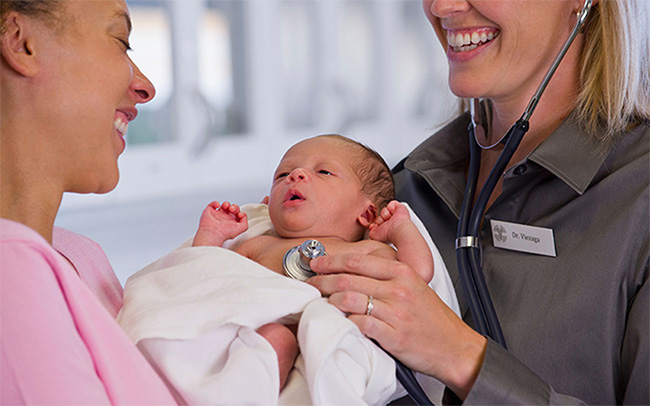
All newborn babies are offered a top-to-toe examination within 72 hours of birth. This includes screening tests to assess eyes, heart, hips and in boys, testes. This examination is performed by a specially trained midwife or a neonatal doctor, ideally before you go home. This check is important as it screens for rare, but serious conditions. At six to eight weeks your baby will need another detailed check-up. This is a repeat of the initial newborn screening test (undertaken between six and 72 hours of age) to confirm that there are not any concerns with the heart, eyes, hips and testes which may have emerged since birth. Usually your GP carries out this second examination.

Hearing test

Hearing test

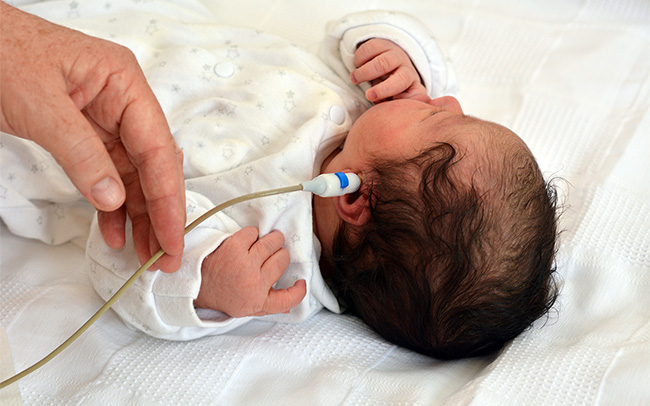
All newborn babies are offered a hearing screen. This test identifies the very few babies (one to two in every 1,000) with hearing loss in one or both ears. Having this test early provides prompt access to services to improve long term child development, should they be needed. Your baby may have his/her newborn hearing screen in the maternity unit before you go home. If your baby missed this screening in the maternity unit, was born at home, or requires a follow up screen, you will be sent an appointment to attend your local baby hearing screening clinic within the first month after birth.

Newborn blood spot test

Newborn blood spot test

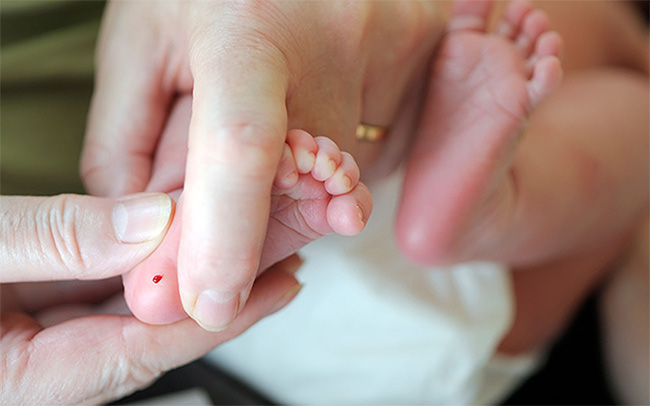
When your baby is between five to eight days old, your community midwife will offer the newborn blood spot test. The test involves collecting four small samples of blood from your baby’s foot on a card. The test screens for nine rare but serious conditions, such as sickle cell disease, phenylketonuria, cystic fibrosis and congenital hypothyroidism. For those babies identified with any of the conditions screened for, we know that early treatment can improve their health and prevent further serious or life threatening complications. If your baby was born early (before 37 weeks gestation) the test may be done in the maternity unit by the neonatal team. More information can be found in the ‘Screening tests for you and your baby’ booklet.