After your baby is born, their umbilical cord will be secured with a plastic clip. The cord will then take between three to ten days to dry out and drop off. It is normal for the cord to be slightly sticky and smelly as it dries out. The area can be cleaned with plain water if necessary and dried carefully with a clean soft cloth or muslin. If you notice any bleeding from the cord or redness on your baby’s abdomen, tell your midwife, health visitor or GP.
The following tips will help you plan how to keep your baby’s temperature within the normal range:
Room temperature
Try to keep the room temperature between 16-20°C.
Deciding the right amount of clothing and bedding
Indoors:
Daytime – your baby should wear the same amount of clothes as you wear plus an extra layer.Night time – your baby should wear a vest and babygro in bed plus be covered with the same number of bedding layers as parents.
If your baby seems restless and fussy and the skin appears flushed and feels hot, remove a piece of clothing or blanket.
It is normal for babies to have cool hands and feet. They should feel warm on their chest (same as you) but if their hands or feet feel cold and look blue and blotchy, add mittens, socks/booties, a hat and a cardigan or blanket.Babies do not need to wear hats indoor. It can lead to them overheating.
Outdoors:
Babies should wear hats outdoors in summer and winter to protect against all weather conditions.Babies under six months’ old must be kept out of direct sunlight, especially around midday. During daytime, cover exposed parts of the baby’s skin with sun creams, using the baby specific sun creams. Don’t forget to reapply it regularly throughout the day.In a heated car or on public transport, babies who are overdressed can easily become too hot. Remember to remove a layer/s of clothing or any covering blanket.
When at home
Don’t forget to take off baby’s outdoor clothes and hat when you get inside.Don’t keep the cot, buggy or car seat next to a radiator, heater or fire, in direct sunshine or near an open window.
All babies cry, and some cry a lot. Crying is your baby’s way of telling you they need comfort and care. Sometimes it’s easy to work out what they want, and sometimes it isn’t, so be kind to yourself.Do remember that when you become anxious, crying babies tend to sense this and may become more distressed. So in the initial weeks, work your way systematically through the different reasons why a baby may cry.
Tips to comfort a crying baby
Try some of these ways to comfort your crying baby:
place your baby skin-to-skin
check if your baby is hungry. If so, feed your baby
check your baby’s nappy. If dirty, change the nappy
hold your baby close to you. Move about gently, sway and dance, talk to your baby or sing
try stroking your baby’s back firmly and rhythmically, holding her/him against you
find something for your baby to listen to or look at – like music on the radio, a CD, a rattle or a mobile above the cot
rock your baby gently backwards and forwards in the pram
try a warm bath. When testing for bath temperature, a warm bath will feel comfortable against your elbow skin. Warm baths calm some babies instantly, but make others cry even more.
Reducing the risk of cot death (Sudden Infant Death Syndrome or SIDS)
Sudden Infant Death Syndrome (SIDS) is the sudden and unexpected death of a baby where no cause is found.
This is rare but it can still happen and there are steps you can take to reduce the risk of this occurring:
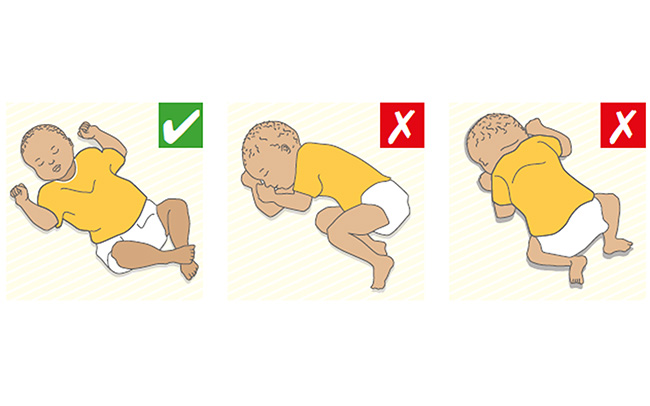
always place your baby on his/her back to sleep
babies should not be swaddled when sleeping
place your baby so his/her feet are right at the end of the cot/moses basket, rather than in the middle, to prevent them from sliding underneath covers
do not use cot bumpers or quilts, only use sheets and lightweight blankets
ensure room temperature is between 16-20°C, as overheating your baby can be dangerous
the safest place for your baby to sleep is in a cot or moses basket in the same room as you, for the first six months.
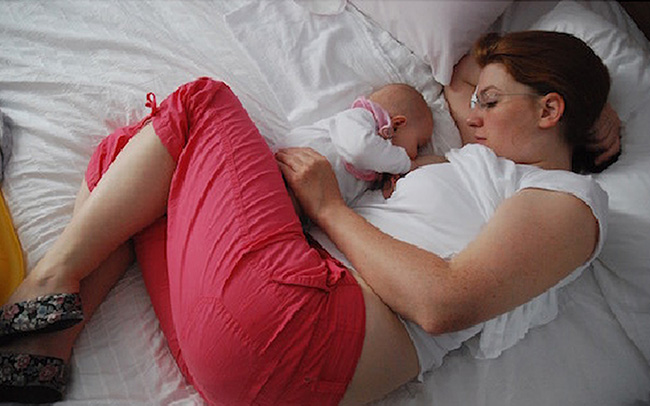
Some parents may choose to co-sleep/bed-share with their baby. It is important for you to know how to do this safely – and when it is not advised, as bed sharing is known to increase the risk of Sudden Infant Death Syndrome (SIDS), sometimes referred to as cot death.Never fall asleep with your baby on a sofa or armchair.Bed sharing is particularly dangerous if:
either you or your partner smokes
either you or your partner has drunk alcohol or taken drugs
you are extremely tired
your baby was born prematurely
your baby was born at a low weight (2.5kg or 5½lbs or less).
You can get further information from your midwife or health visitor and read the links below.
Your baby will have his/her own pattern of waking and sleeping, and it’s unlikely to be the same as other babies you know. Please note that newborn babies do not need a routine. However, over a course of several months you will have a routine established.Normal sleeping patterns from nought to three months:
most newborn babies are asleep more than they are awake
their total daily sleep varies, but can be from eight hours up to 16-18 hours
babies will wake during the night because they need to feed.

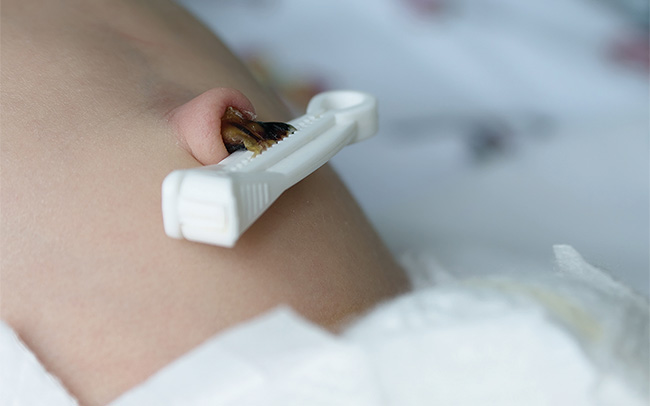 After your baby is born, their umbilical cord will be secured with a plastic clip. The cord will then take between three to ten days to dry out and drop off.
It is normal for the cord to be slightly sticky and smelly as it dries out. The area can be cleaned with plain water if necessary and dried carefully with a clean soft cloth or muslin. If you notice any bleeding from the cord or redness on your baby’s abdomen, tell your midwife, health visitor or GP.
After your baby is born, their umbilical cord will be secured with a plastic clip. The cord will then take between three to ten days to dry out and drop off.
It is normal for the cord to be slightly sticky and smelly as it dries out. The area can be cleaned with plain water if necessary and dried carefully with a clean soft cloth or muslin. If you notice any bleeding from the cord or redness on your baby’s abdomen, tell your midwife, health visitor or GP.