Child benefit

Child benefit

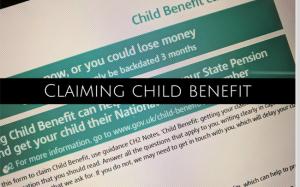
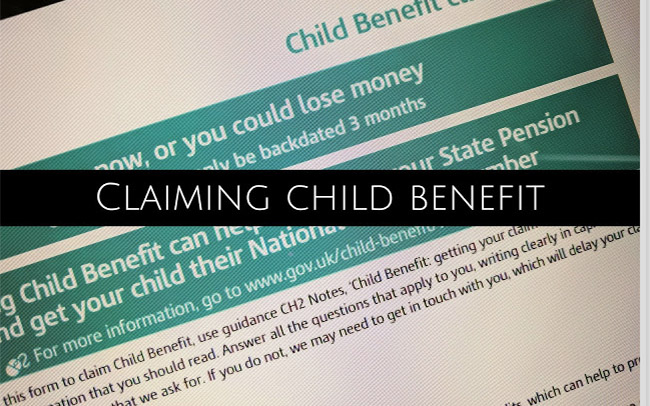
Child benefit is a tax-free payment that is aimed at helping parents cope with the cost of bringing up children. You get Child Benefit if you’re responsible for one or more children under 16 (or under 20 if they stay in approved education or training). There’s no limit to how many children you can claim for. Find out more and how to claim:

Air travel with your baby

Air travel with your baby

Some things to consider before you plan to fly with your new baby:

Immunisations:

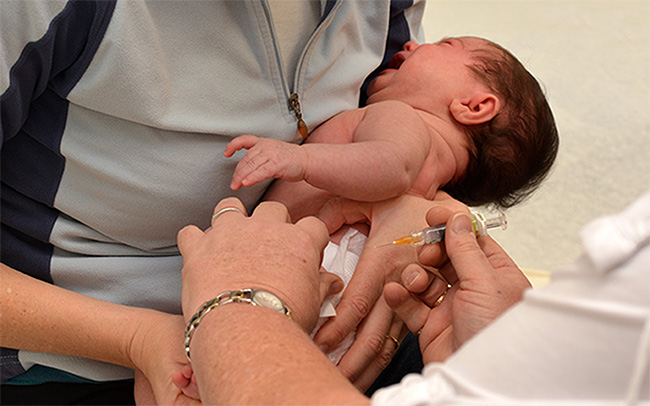
Whilst airlines may accept babies older than seven days old for travel, be aware that newborn babies are still developing their immune system and so are at risk of picking up infectious diseases.  If possible consider having your baby’s first immunisations administered before you travel.

In-flight cabin pressure changes and babies’ ears:

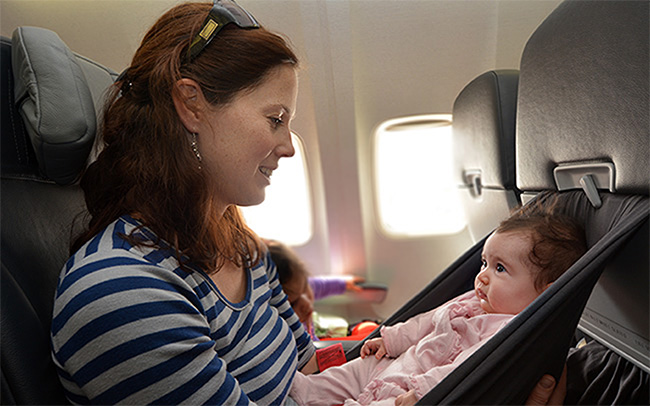
During take-offs and landings, changes in cabin pressure can briefly affect the middle ear pressure and trigger severe ear pain.  To reduce the chances of your baby getting pain, encourage your baby to feed, or suck on a pacifier during take-offs and landings.

Before booking:

If you are traveling abroad, you will need a passport/visa for your baby.  Check individual airline websites for specifications on travelling with an infant.

Birth registration

Birth registration

Following the arrival of your baby, the birth needs to be registered within 42 days (six weeks) at your local registry office. It is through this process that you will obtain a birth certificate. The registration should be done in the borough you gave birth in. You may register the birth in a different area if this is more convenient, however your details will need to be sent to the borough in which you gave birth in order for them to generate a valid birth certificate. The service is normally provided by appointment only, but this may vary from one area to the next. Please take the Personal Child Health Record (red book) and your baby’s NHS number with you, as the registrar may ask to see it.
Portal: Birth registration for your region

The Personal Child Health Record Book (the red book)

The Personal Child Health Record Book (the red book)

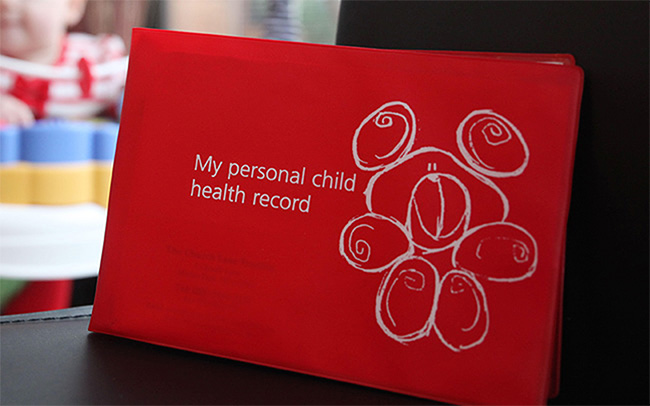
The Personal Child Health Record, or the red book as it is often called because of its red cover, is the main record of your child’s health, growth and development from birth and through the early years. You will be given your baby’s red book either in hospital or by your health visitor. You may be given individual sheets to put in the red book, please keep these sheets safe until you are able to add them to the book. The red book provides guidance on screening tests, immunisation schedule, normal development and help and advice on looking after your child. Helpful tips on how to protect your child from passive smoking and how to tackle problems like constipation, crying, fever, fits, spots, rashes, sunburn and other common complaints are included. Keep the red book safe and take it to all baby appointments. For the best long-term outcome for your child, you, and the people involved in caring for your child, it is recommended that you write down every item of relevant information in this book. An electronic version of the red book is gradually being rolled out across the UK. You can see your child’s NHS records, and read important guidance from the NHS and other sources. In time, the eRedbook becomes a virtual keepsake that contains not only health information (such as immunisations and screening results) but also photos, notes and other information about your child. Find out more and to register for it:

Vaccinations

Vaccinations

Immunisations or vaccinations are given to help prevent people getting certain diseases. It is important to make sure you and your children have their routine vaccinations delivered on time to protect against these diseases. To find out more information on vaccinations you can visit your local GP, speak to your health visitor or Children’s Centre.

Do you have an appointment for a vaccination?

Please make sure you keep it

Vaccinations protect against serious illnesses now and in the future, so it’s really important to keep up to date with jabs for you and your family. This is particular important if you are pregnant or have small children. You should attend your appointments as normal, as long as you don’t have symptoms of COVID-19 and you are not self-isolating. Read the frequently asked questions below, or speak to your GP or health visitor if you are still unsure.
New parent vaccinations
Video credit: NHS Suffolk and North East Essex Local Maternity System.
TB, BCG and your baby
Follow the links below to find out about the NHS vaccination programme.