
Reducing the risk of cot death (Sudden Infant Death Syndrome or SIDS)

Reducing the risk of cot death (Sudden Infant Death Syndrome or SIDS)
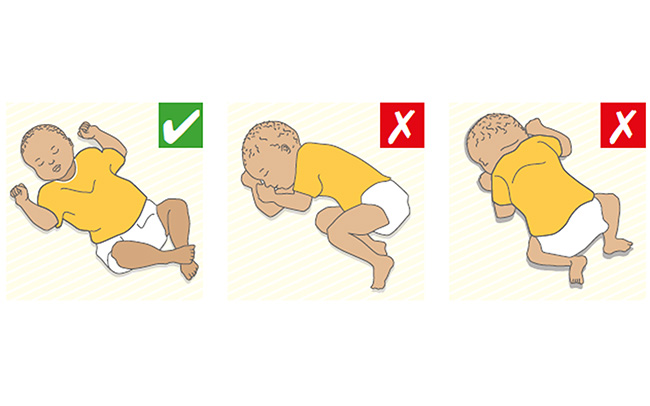
Sudden Infant Death Syndrome (SIDS) is the sudden and unexpected death of a baby where no cause is found. This is rare but it can still happen and there are steps you can take to reduce the risk of this occurring:
  • always place your baby on his/her back to sleep
  • babies should not be swaddled when sleeping
  • place your baby so his/her feet are right at the end of the cot/moses basket, rather than in the middle, to prevent them from sliding underneath covers
  • do not use cot bumpers or quilts, only use sheets and lightweight blankets
  • ensure room temperature is between 16-20°C, as overheating your baby can be dangerous
  • the safest place for your baby to sleep is in a cot or moses basket in the same room as you, for the first six months.
Safer sleep for babies
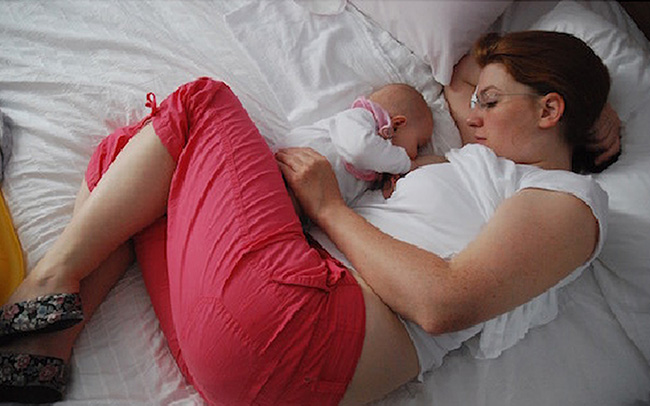

Sharing a bed with your baby

Sharing a bed with your baby

Some parents may choose to co-sleep/bed-share with their baby. It is important for you to know how to do this safely – and when it is not advised, as bed sharing is known to increase the risk of Sudden Infant Death Syndrome (SIDS), sometimes referred to as cot death. Never fall asleep with your baby on a sofa or armchair. Bed sharing is particularly dangerous if:
  • either you or your partner smokes
  • either you or your partner has drunk alcohol or taken drugs
  • you are extremely tired
  • your baby was born prematurely
  • your baby was born at a low weight (2.5kg or 5½lbs or less).
You can get further information from your midwife or health visitor and read the links below.

What is normal sleep?

What is normal sleep?

Your baby will have his/her own pattern of waking and sleeping, and it’s unlikely to be the same as other babies you know.   Please note that newborn babies do not need a routine.  However, over a course of several months you will have a routine established. Normal sleeping patterns from nought to three months:
  • most newborn babies are asleep more than they are awake
  • their total daily sleep varies, but can be from eight hours up to 16-18 hours
  • babies will wake during the night because they need to feed.