
Antenatal care

 If you have had a healthy pregnancy without complication and haven’t gone into labour by 41 weeks you will have a routine appointment with your midwife to discuss the next steps.
 Both parents may be physically and mentally drained by the birth and the first few weeks of your baby’s life. Speaking to each other about how you feel is an important way in which you can start to address some of the concerns new parents experience. Support is available if you feel that your relationship is deteriorating. Follow the related links for self-help tips.
If arguments escalate into abusive behaviours, you can speak to a professional at the organisations below in confidence:
Womens aid
Tel: 0808 2000 247
Mens advice line
Tel: 0808 801 0327
Switchboard LGBT+ Helpline
Tel: 0800 999 5428
Domestic abuse can happen to anyone and is known to increase in times of stress.
Both parents may be physically and mentally drained by the birth and the first few weeks of your baby’s life. Speaking to each other about how you feel is an important way in which you can start to address some of the concerns new parents experience. Support is available if you feel that your relationship is deteriorating. Follow the related links for self-help tips.
If arguments escalate into abusive behaviours, you can speak to a professional at the organisations below in confidence:
Womens aid
Tel: 0808 2000 247
Mens advice line
Tel: 0808 801 0327
Switchboard LGBT+ Helpline
Tel: 0800 999 5428
Domestic abuse can happen to anyone and is known to increase in times of stress.
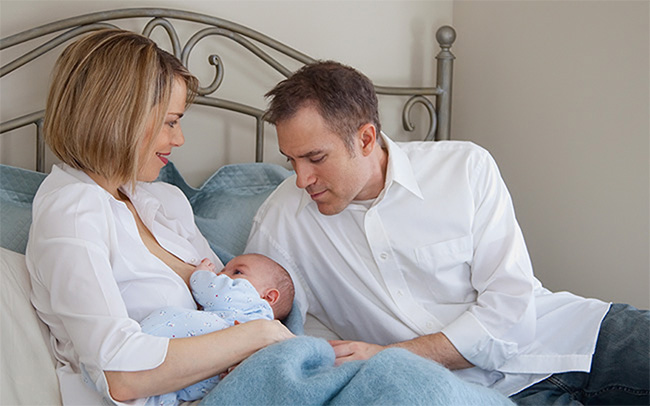 The birth can often feel like such a huge event that not much time or attention is given to fatherhood and parenting. Having a baby changes relationships, carries responsibility and has significant financial impact, whilst also being a time of intense joy and pride.
In addition to postnatal depression in new mums, it is now understood that up to 10% of new dads/partners can suffer from postnatal depression, so if either of you start to feel changes in your mood, talk to your family, friends and GP.
The birth can often feel like such a huge event that not much time or attention is given to fatherhood and parenting. Having a baby changes relationships, carries responsibility and has significant financial impact, whilst also being a time of intense joy and pride.
In addition to postnatal depression in new mums, it is now understood that up to 10% of new dads/partners can suffer from postnatal depression, so if either of you start to feel changes in your mood, talk to your family, friends and GP.
 Sometimes it’s easier to talk to someone that doesn’t know you. It can be a space to voice all your worries and try to make sense, or control some of the negative thoughts you might be having.
 Women with mild to moderate mental health concerns are supported by a range of services; their GP, midwife, health visitor, primary care psychology service/talking therapy service and in places like Children’s Centres. There are many third sector organisations that also provide a range of support services, follow the related links to find out more. You can self-refer to all of these services.
Women with more severe or complex mental health conditions, for example, severe anxiety, severe depression, psychosis and bipolar affective disorder, should be seen by a specialist perinatal mental health team. These teams are community based and are staffed by a range of professionals offering family focused interventions. These teams work closely with maternity services, health visitors, talking therapies, GPs, other community services and third sector organisations. Your midwife, GP or health visitor will refer you to your local perinatal mental team if more complex support for you is required.
Women with mild to moderate mental health concerns are supported by a range of services; their GP, midwife, health visitor, primary care psychology service/talking therapy service and in places like Children’s Centres. There are many third sector organisations that also provide a range of support services, follow the related links to find out more. You can self-refer to all of these services.
Women with more severe or complex mental health conditions, for example, severe anxiety, severe depression, psychosis and bipolar affective disorder, should be seen by a specialist perinatal mental health team. These teams are community based and are staffed by a range of professionals offering family focused interventions. These teams work closely with maternity services, health visitors, talking therapies, GPs, other community services and third sector organisations. Your midwife, GP or health visitor will refer you to your local perinatal mental team if more complex support for you is required.