Backache

Backache

It is not uncommon to experience backache after the birth, particularly if you have had an epidural in labour.  This is completely normal and should resolve in time with rest, warms baths and mild analgesia. If pain continues, speak to your midwife or doctor. See the POGP Fit for Future booklet in the related link for tips on how to manage back pain after birth.

Opening your bowels

Opening your bowels

How to manage your bowels

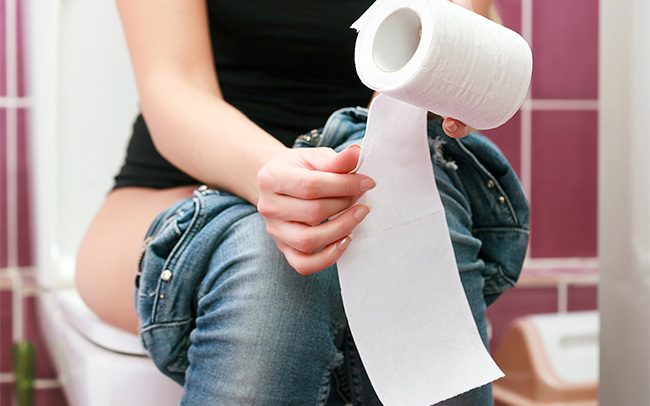
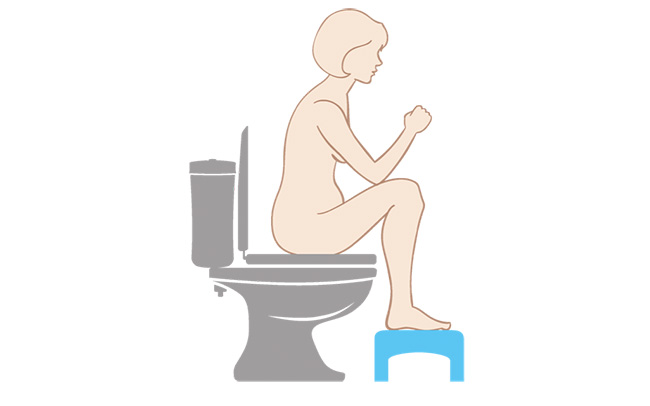
Many ladies are anxious about opening their bowels for the first time after delivery, especially if they have had stitches. It is important that you try not to put off opening your bowels once you have had the urge to go, as this can make you more constipated. If you have been prescribed laxatives please use these as you will need to ensure that your stols remain soft but not watery. It is important to keep your stools like a ‘toothpaste’ consistency. To help prevent constipation you will need to maintain a good fluid update (2.5 – 3 litres if breastfeeding) and a healthy diet rich in fibre. Make sure you sit in a good position on the toilet to ensure you completely empty your bowels. The ideal position is:
  • knees higher than your hips (to do this place your feet on a step or point your toes)
  • lean forward and put yuor elbows on your knees
  • bulge your abdomen outwards as you take a breath in and straighen your spine
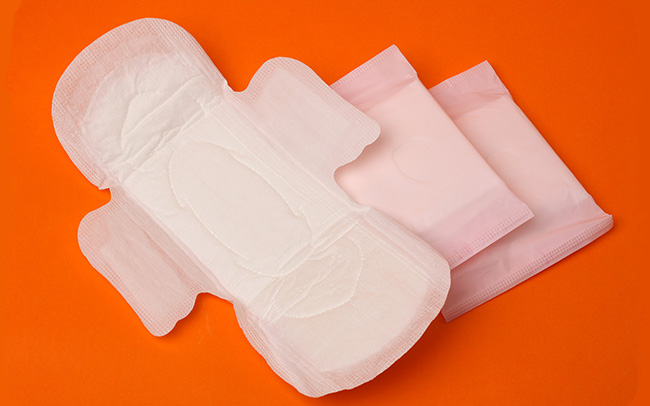
  • if you have discomfort, or are worried about the stitches you can hold a sanitary pad or a wad of tissues with your hand and apply pressure to the vagina and perineum

Piles (haemorrhoids)

Piles are swellings of the blood vessels inside or around the rectum, and are very common following pregnancy and birth. In most cases, piles will disappear without treatment within a few weeks of birth. Ask your midwife, doctor or local pharmacist for advice regarding piles if you think you may have them, or if they become painful.

Passing urine

Passing urine

Taking care of your bladder

After delivery, your midwife will give you a bowl to measure your urine in. It is important for your midwife to know the volume of urine to ensure your bladder is working properly. You may have a catheter post-delivery. After the catheter is removed it is important that you pass urine within six hours. If you don’t, you must tell your midwife or doctor immediately. If you are having difficulty passing urine or have not had an urge to pass urine four hours after your catheter has been removed try:
  • going to sit on the toilet, relaxing and leaning forwards
  • turning on the taps so you can hear running water or pulling lightly on the pubic hair (both of these can help to stimulate an urge)
  • rocking forwards and backwards on the toilet
  • gently tapping over the bladder near your pubic bone for a few minutes
After birth, some women find that their bladder function is not as efficient and can experience:
  • urinary retention (when the urge to pass urine is absent or isn’t as strong – this leads to the bladder overfilling. This over-stretching can cause long-term damage to the bladder)
  • stress urinary incontinence (when urine leaks on sneezing, coughing or exercising)
  • urgency urinary incontinence (when you suddenly need to pass urine with no prior sensation to do so – leading to leaking of urine).
Pelvic floor exercises can help improve bladder function, however if you are worried about your urinary control, or any symptoms of bladder dysfunction persist it’s important to speak to your midwife, health visitor or GP.

Bleeding

Bleeding

Some bleeding after birth is normal – this is recorded in your notes as estimated blood loss (EBL). Vaginal bleeding after birth is referred to as lochia, which is a mix of blood and other products from inside the uterus. This can be quite heavy at first, requiring several sanitary pad changes a day. After the first week the lochia slows down and becomes pink/light brown in colour. This loss will normally disappear by four weeks after birth. Any large clots, silky membranes, sudden heavy bleeding or an offensive smell may be a sign that something is wrong and should be discussed with your midwife or GP urgently.

Retained products

You may be aware that when the placenta detaches from the inside of the uterus sometimes small pieces or fragments are left behind. Your midwife will have checked the appearance of the placenta to check whether there are any obvious pieces missing, but it is not always possible to spot fragments that have been left behind. The same is true when a caesarean is performed. Even though the doctors will have checked the inside of the uterus for any remaining placenta, it is not always possible to identify them. For most women, any retained fragments of placenta (sometimes referred to as “retained products”) will pass unnoticed with the normal lochia in the days or weeks following the birth. However, for a small number of women, retained products that do not pass naturally may require medical assistance. It may be that heavy bleeding occurs, or you begin passing blood clots. Or you may develop a temperature and feel shivery and unwell. These are potential signs of retained products that require treatment and if you develop any of these symptoms, you should get in touch with your local maternity Triage, or see your GP. Occasionally the retained products require surgical removal. This will involve a short procedure under a general anaesthetic, but most women can go home the same day.

Feeling unwell

Feeling unwell

Infections

Infections following birth are rare; however some women may contract infections which require treatment with antibiotics. Infections may occur in perineal stitches, caesarean section wounds, the uterus, breasts or in urine and can worsen rapidly.

Signs/symptoms:

  • a high temperature (more than 37.5°C)
  • feeling unusually hot or cold/shivery
  • feeling unusually lethargic and sleepy
  • flu-like aches and pains in the body.

Stitches or caesarean wound infection

If your stitches or wound are infected you may notice pus, an offensive smell or an unusual amount of pain or tenderness in the area. You may also notice the skin is red and hot to touch.  

Uterine infection

An infection in the uterus may cause symptoms of excessive vaginal bleeding, passing of clots and offensive smelling blood loss. You may also note severe pain and/or heat on touching the lower abdomen.

Breast infection

If breasts become infected (known as mastitis) they may appear red, swollen and be painful/hot to touch. You may notice a burning sensation during feeds. Seek help urgently and read more about this here.

Urinary infections

Symptoms include the increased need to pass urine or pain on passing urine. If you are experiencing any of these symptoms please speak to your midwife or GP urgently, or attend the local maternity triage/assessment unit where you had your baby.

Other infections

If you experience other infections no directly linked to having had a baby, like a severe cold/flu or chest infection, or diarrhoea and vomiting, seek help urgently.

Deep vein thrombosis/Pulmonary embolism

Read more about this here.

Deep vein thrombosis (DVT) and pulmonary embolism (PE)
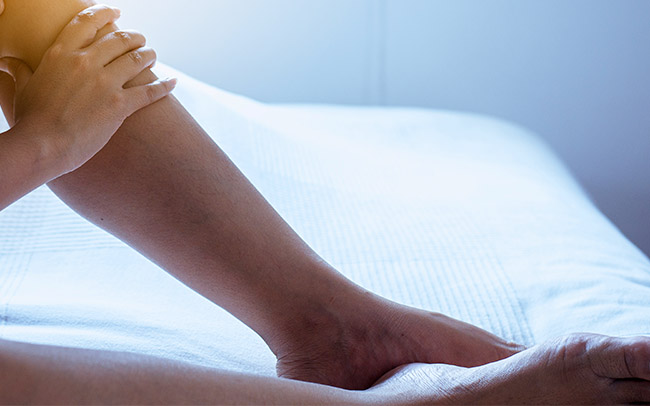
Deep vein thrombosis (DVT) and pulmonary embolism (PE)

Are you at increased risk of developing a blood clot?

After giving birth, women are at a slightly increased risk of developing blood clots in the veins in their legs, known as deep vein thrombosis (DVT). This risk is increased for roughly six weeks following birth. On rare occasions, these blood clots can become very large and travel in the body to the lungs. This is known as pulmonary embolism (PE) and can be very serious.

Signs/symptoms:

  • pain/tenderness in the leg behind the knee or in the calf
  • feeling of heat in the affected area or a red discolouration of the skin
  • swelling of the affected area
  • a pulmonary embolism may cause shortness of breath and chest pain, which comes on suddenly and worsens with deep breaths, coughing or chest movement.
If you have any of these symptoms you should speak to a health professional immediately, or attend your local A&E department.

Treatment

These conditions are serious and will require urgent treatment in hospital with medications that prevent the clot from getting bigger and breaking off and travelling to another part of the body.

Prevention:

  • keep mobile and rotate your ankles regularly
  • wear compression stockings if your midwife or doctor have advised you to do so
  • consider taking short walks when you feel up to it
  • stay well hydrated
  • avoid sitting/lying down for prolonged periods i.e. in a car/on a train.
Some women will be prescribed injections to self-administer at home to reduce the risk of blood clots if they are considered to be at a higher risk of developing them. Staff use a venous thromboembolism risk scoring system to determine each women’s risk. These include caesarean section, postpartum haemorrhage, pre-eclampsia and preterm birth, or any family or medical history that makes the risk higher. Before you are discharged you will be shown how to administer the pre-filled syringe and safely dispose of the sharp into a sharps container. If you have been prescribed injections it is very important to complete the course – and to disposes of the needles safely. Your midwife will explain this to you before you go home.

Recovery from caesarean birth

Recovery from caesarean birth

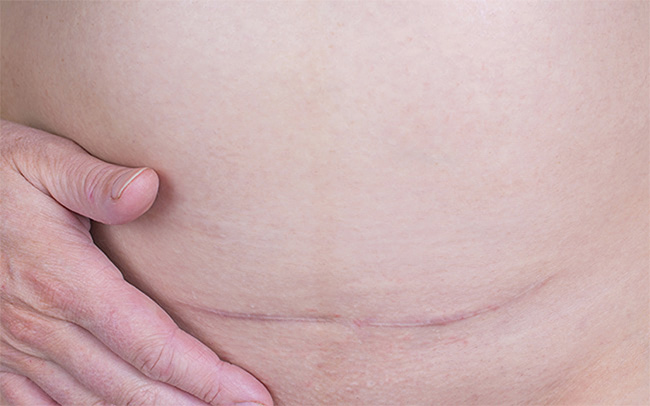
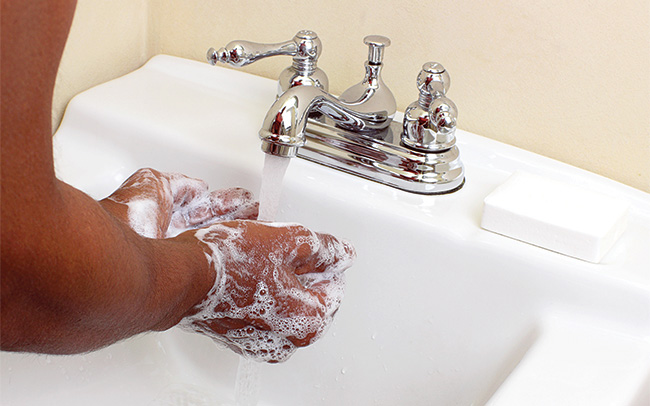
Following a caesarean you may feel sore and swollen for a few days. To help with pain, regular pain relief is recommended in combination with early and gentle movement. Always wash your hands before caring for your caesarean wound. Your scar will take up to six weeks to heal, and to assist with healing you should:
  • look out for any signs of infection such as severe pain, parting of the wound, redness, oozing of pus and bleeding
  • bath or shower daily and clean your incision site gently with warm water and pat dry
  • keep the scar dry and exposed to the air when possible
  • wear loose, comfortable clothing and cotton underwear
  • avoid lifting anything heavier than your baby.
Gentle activity such as a daily walk is recommended to prevent the formation of blood clots. Advice on resuming exercise can be found elsewhere in this section.

Perineal after-care

Perineal after-care

  • Always wash your hands before caring for your stitches or changing your sanitary towels. This is particularly important if anyone in your household has a cough or cold
  • shower or bath daily if possible for the first two weeks. Prolonged bathing can cause the stitches to dissolve too quickly. Rinse with warm water and avoid soaps and perfumed products. Dry with a clean towel and avoid rubbing the area
  • do not apply any creams, salts, oils or lotions to the stitches
  • sanitary towels should be changed frequently, and leaving the stitches exposed to the air can assist with healing
  • when passing urine, some mild stinging can be expected in the first few days. Avoid dehydration which can worsen this sensation. Rinsing with plain water during or after urination may reduce this discomfort
  • when opening your bowels the stitches won’t come apart. Avoid constipation or excessive straining and ensure good personal hygiene is maintained to reduce the risk of infection
  • mild/moderate discomfort is to be expected in the first few days after birth and can be relieved with common pain relief medications such as paracetamol and/or ibuprofen. Please speak to your midwife regarding the recommended dose and other methods to relieve discomfort of your stitches
  • using ice can reduce inflammation and pain. You can use ice wrapped in a clean towel or use a sanitary pad that has been placed in the freezer for couple of hours. Place over the tender part of your perineum for 10 minutes. Repeat the process three to four times each day for the first few days
  • if your stitches are gaping, oozing, severely painful, offensive in smell or unusually hot, please contact your GP, midwife or local maternity triage/assessment unit urgently.
Recovering from tearing

Understanding perineal tears

Understanding perineal tears

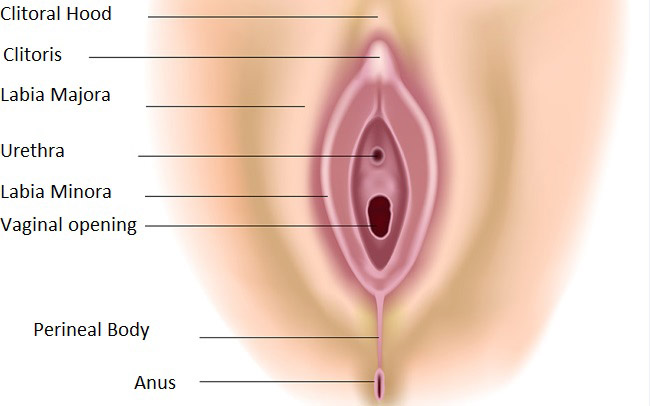
When your baby is born, his or her head stretches the opening of the vagina. The skin inside and surrounding the vagina will often stretch well to allow your baby to be born, however during this process it is common for women to sustain a tear to the inside of the vagina and/or the skin inside the vagina or both – which may require stitches. The stitches used will always be dissolvable and should not need to be removed. First degree tearsaffect the skin of the perineum/vagina. Some of these tears require stitches and some may heal well without stitches. Your midwife will advise you on this after birth. Second degree tearsaffect the skin and muscle of the perineum/ vagina. Most of these tears require stitches to assist with healing. Third and fourth degree tearsaffect the skin and muscle of the perineum/vagina, as well as some of the structures associated with the anal sphincter. These tears require a repair by an obstetric doctor, under surgical conditions to repair them. Labial tears occur to the labia minora, and will often require stitches to aid healing. Your midwife will advise you on this after birth. Episiotomiesare sustained during the birth, when your doctor or midwife makes a cut to facilitate the birth of your baby. These are similar to second degree tears and will require stitches.