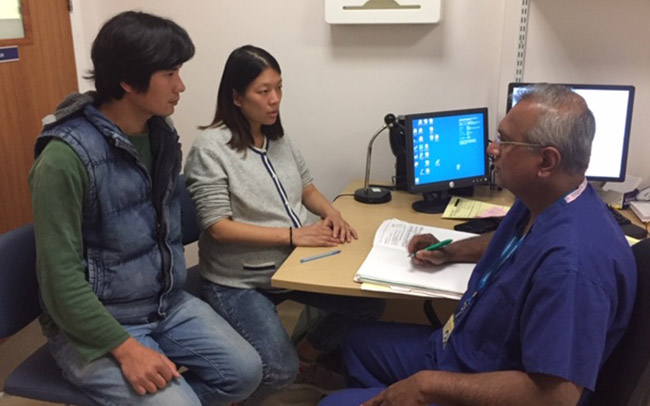
At the first booking appointment your midwife will recommend blood tests for Hepatitis B, HIV, syphilis, full blood count, blood group and electrophoresis (sickle cell and thalassemia screening). Some maternity units may also check your blood glucose levels. You may need a blood test for glucose tolerance later in pregnancy to screen for a condition called gestational diabetes. Your full blood count will be taken again later in pregnancy to ensure your iron levels remain normal. If your blood group is rhesus negative you may be offered some further tests, or you may be offered an injection of Anti-D during pregnancy. Around 15% of women are rhesus negative. Your midwife will explain this to you fully if needed.It’s useful to know your blood group in case you need to be given blood – for example, if you have heavy bleeding (haemorrhage) during pregnancy or after birth.
Anaemia
Anaemia makes you tired and less able to cope with loss of blood when you give birth.You should be offered screening for anaemia at your booking appointment and again at 28 weeks.If tests show you’re anaemic, you’ll probably be offered iron and folic acid.
During pregnancy you will be offered several screening tests to try and find any health problems that could affect you or your baby. It is your decision whether or not to have any of these tests. Read the “Screening tests for you and your baby” booklet from the link at the end of this page. It is important to look through the booklet before your first meeting with your midwife as it contains important information about your screening choices. The booklet is available in different languages.
You will be given a set of handheld maternity notes you should keep with you at all times, and bring to all your appointments. Your appointments will normally be documented in here, along with results from your blood tests and scans. All maternity units in England are moving toward the use of digital records and these records are stored securely on the maternity unit’s IT system. You can ask your maternity care provider to explain anything that has been written in your maternity notes if you’re not sure.
enquire how you are feeling and if you have any concerns
check your blood pressure and urine
check your carbon monoxide level and your household smoking status
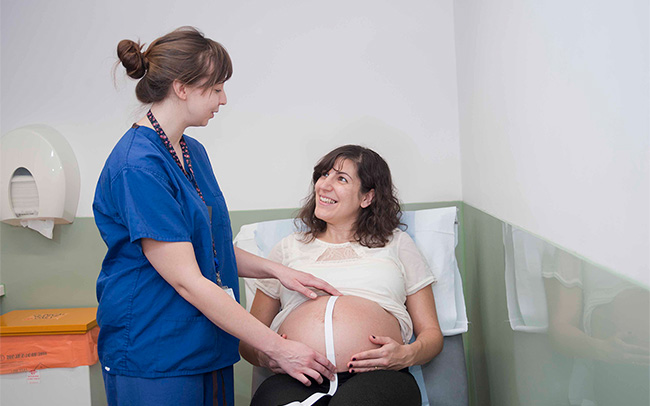
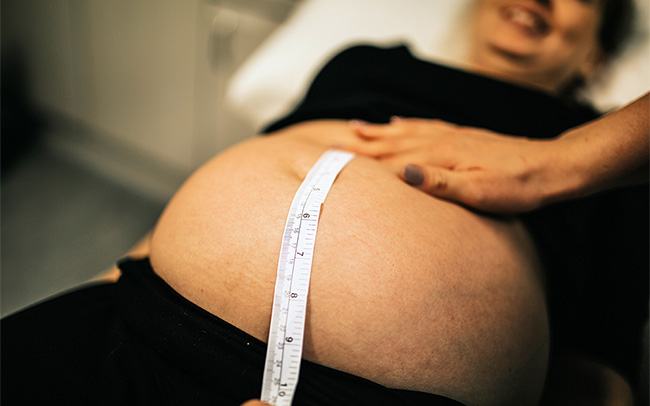
measure the size of your abdomen to check your baby is growing well
check your baby’s position and discuss the relevance of this
review, record and discuss the results of any tests you may have had
provide you with information about feeding your baby, Vitamin K for your baby and preparing for parenthood, and discuss your feelings around these topics
be able to reassure you and, if required, signpost you to appropriate services.

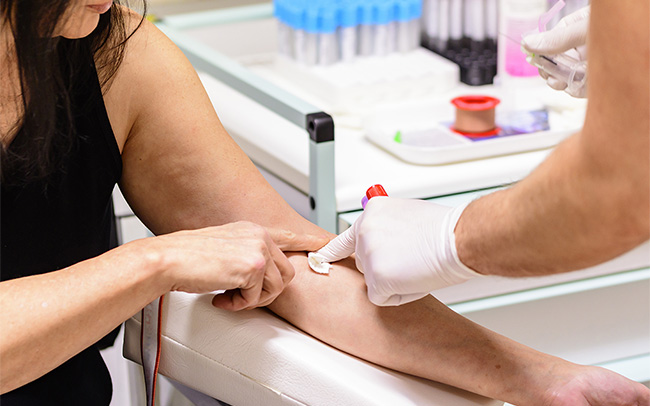 At the first booking appointment your midwife will recommend blood tests for Hepatitis B, HIV, syphilis, full blood count, blood group and electrophoresis (sickle cell and thalassemia screening). Some maternity units may also check your blood glucose levels. You may need a blood test for glucose tolerance later in pregnancy to screen for a condition called gestational diabetes.
Your full blood count will be taken again later in pregnancy to ensure your iron levels remain normal.
If your blood group is rhesus negative you may be offered some further tests, or you may be offered an injection of Anti-D during pregnancy. Around 15% of women are rhesus negative. Your midwife will explain this to you fully if needed.
It’s useful to know your blood group in case you need to be given blood – for example, if you have heavy bleeding (haemorrhage) during pregnancy or after birth.
At the first booking appointment your midwife will recommend blood tests for Hepatitis B, HIV, syphilis, full blood count, blood group and electrophoresis (sickle cell and thalassemia screening). Some maternity units may also check your blood glucose levels. You may need a blood test for glucose tolerance later in pregnancy to screen for a condition called gestational diabetes.
Your full blood count will be taken again later in pregnancy to ensure your iron levels remain normal.
If your blood group is rhesus negative you may be offered some further tests, or you may be offered an injection of Anti-D during pregnancy. Around 15% of women are rhesus negative. Your midwife will explain this to you fully if needed.
It’s useful to know your blood group in case you need to be given blood – for example, if you have heavy bleeding (haemorrhage) during pregnancy or after birth.