Stillbirth

Stillbirth

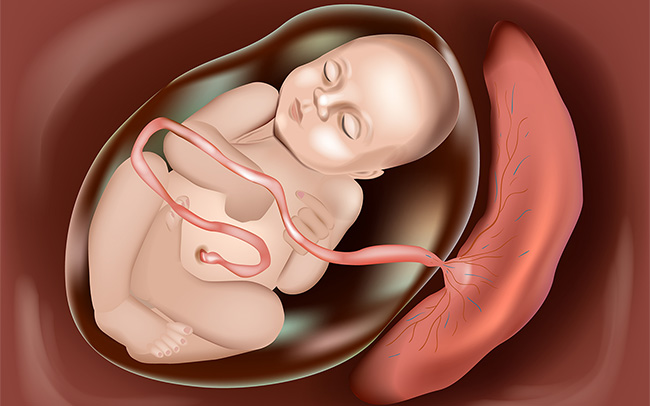
When a baby passes away after 24 weeks of pregnancy, either before or during birth, this is known as a stillbirth. Stillbirth is one of the most devastating things a family can experience, and a range of support is given through a specialist team (including midwives, obstetricians, counsellors and charities) to parents who are affected by it. Many stillbirths are linked to a problem with the placenta, which is essential to a baby’s growth and development. If the placenta doesn’t work properly it can cause babies not to receive the oxygen and nutrients they need. Other causes include infection, heavy bleeding (known as haemorrhage), pre-eclampsia and pre-existing diabetes. Not all stillbirths can be prevented, but there are some simple things that can be done to minimise the risk:
  • stopping smoking and avoiding alcohol and drugs during pregnancy
  • sleeping on your side from around 28 weeks gestation, or turning on to your left side if you wake up on your back overnight
  • attending all of your appointments and scans so that your maternity team can monitor your baby’s health
  • calling your midwife/going to your maternity unit straight away if your baby’s movements are reduced from what you’re used to feeling.
Portal: Stillbirth

Miscarriage and the loss of your baby

Miscarriage and the loss of your baby

A miscarriage is the loss of a pregnancy during the first 24 weeks. An early miscarriage occurs up until 13 weeks of pregnancy. Symptoms of a miscarriage can include bleeding, abnormal vaginal discharge, lower abdominal pain and loss of pregnancy symptoms. The first trimester can be an anxious time for many reasons, one of which might be worrying about whether the pregnancy will continue. Sadly, as many as one in five early pregnancies will end in miscarriage. The loss of a baby at any stage of a pregnancy can be devastating for both parents. It doesn’t matter how far into the pregnancy it happened, or whether or not the pregnancy was planned, the sense of loss can be very strong. It is important to remember that everyone deals with loss differently and it’s ok to grieve for your baby. There are a number of organisations that can provide expert support and information for parents who have suffered a loss. Whilst there are a number of reasons why a pregnancy might not be successful, the majority of first trimester miscarriages occur because of a problem with the chromosomes which mean that the baby could never have developed, not because of anything the mum has done, or not done. The vast majority of women who suffer the loss of a baby do go on to have successful pregnancies in the future. A miscarriage can be diagnosed by an ultrasound scan. You may be required to stay in the maternity unit overnight but most women can go home on the same day. You will receive follow up from a doctor, nurse or midwife who specialises in early pregnancy. It is recommended that you inform your maternity care provider (antenatal clinic) about your miscarriage in case they are not aware. You may wish to delete the Mum & Baby app from your device.
Portal: Miscarriage and the loss of your baby

Placenta accreta

Placenta accreta

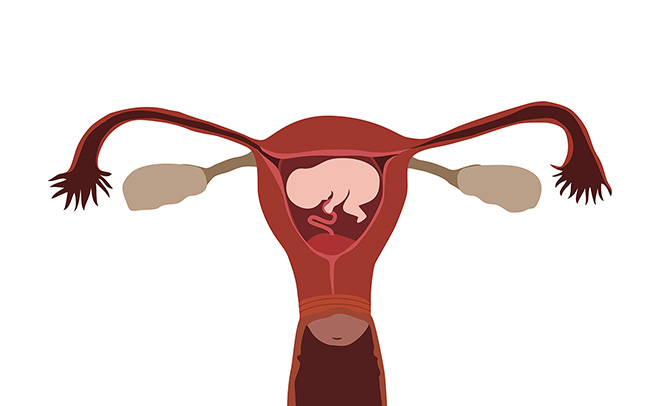
The placenta can also sometimes implant abnormally into the wall of the womb. This is a rare condition known as placenta accreta. The risk of having placenta accreta is higher if there is a previous scar on the womb, such as from a previous caesarean section, as the placenta can invade into the previous scar. This is a very serious condition that can be challenging to manage and a hysterectomy (operation to remove the womb) is sometimes needed at the time of delivery.

Placenta praevia

Placenta praevia

This can be picked up on an ultrasound scan as a low lying placenta in mid pregnancy. This is when the placenta is covering all or part of the entrance to the womb. If you are found to have a low lying placenta you will be rescanned between 32-36 weeks. The majority of low lying placentas will move to the upper part of the womb by 36 weeks, however 10% of low lying placentas remain low. This can cause bleeding in pregnancy that is sudden and severe. A caesarean birth may be recommended in cases of severe placenta praevia, and the likelihood of needing a blood transfusion can be higher.

Intrahepatic cholestasis of pregnancy (obstetric cholestasis)

Intrahepatic cholestasis of pregnancy (obstetric cholestasis)

This is a liver disorder that can develop in pregnancy, usually after 30 weeks gestation, but which sometimes develop as early as 8 weeks, affecting up to one in every 140 pregnant women. Symptoms can include:
  • itching, usually on the hands and feet but which can be anywhere on the body
  • dark urine, pale stools
  • yellowing of the skin and whites of the eyes.

Pre-eclampsia (PET) during pregnancy

Pre-eclampsia (PET) during pregnancy

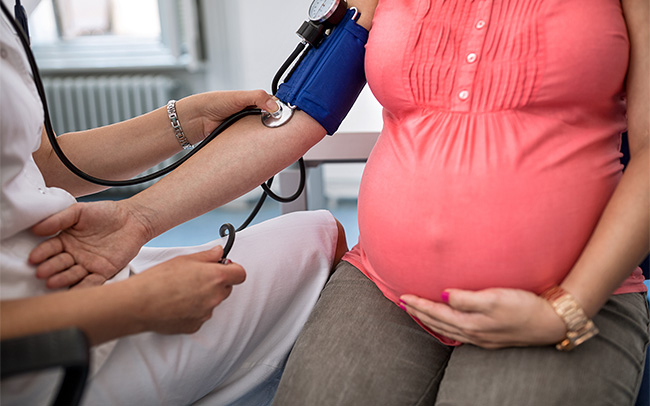
This is a rare but serious condition of pregnancy, usually occurring after 20 weeks. It is defined by the combination of raised blood pressure and protein in the urine. Often there are no symptoms and pre-eclampsia is usually detected through regular antenatal checks, and can sometimes develop quickly. Symptoms include:
  • severe headaches
  • sudden increase in swelling – particularly in the face, hands, feet or ankles
  • problems with your vision such as blurring or bright spots before your eyes
  • severe pain just below your ribs
  • feeling very unwell.
These symptoms are serious and may develop suddenly so you should seek help immediately. Pre-eclampsia can affect a number of body organs like liver, kidney and as severity increases, create problems with blood clotting and therefore the maternity team will monitor your health closely. Pre-eclampsia can also affect the baby’s growth and ultrasounds will be undertaken to monitor growth and the fluid around the baby.

Gestational diabetes

Gestational diabetes

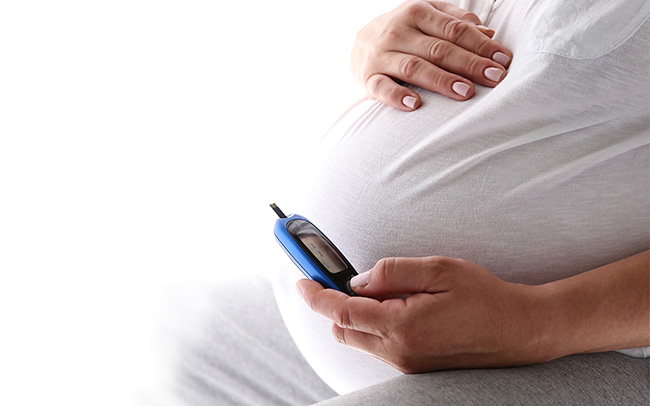
Gestational diabetes is high blood sugar that develops during pregnancy and usually disappears after the birth. It occurs when the body cannot produce enough insulin (a hormone responsible for controlling blood sugar levels) to meet the increased demands of pregnancy. Symptoms aren’t common, but many women are screened for this condition during pregnancy, particularly if they have certain risk factors. Ask your midwife if you are at risk of developing gestational diabetes and if you need to be tested.
Gestational Diabetes Part 1
Gestational Diabetes Part 2
Gestational Diabetes Part 3
Portal: Gestational diabetes (Related link)

Less common pregnancy complications

Less common pregnancy complications

If you have any symptoms of gestational diabetes, pre-eclampsia or intrahepatic cholestasis of pregnancy call your maternity triage/assessment unit straight away.

Increased vaginal discharge

Increased vaginal discharge

Normal vaginal discharge is thin, clear or milky white and mild smelling. As your pregnancy progresses, this discharge usually becomes more noticeable, and is heaviest at the end of your pregnancy. You may want to wear an unscented panty liner. If however, the discharge becomes very smelly or the colour turns green, then you should consult your GP, as this could be a sign of a vaginal infection. Thrush (candida albicans) is common in pregnancy. Symptoms of thrush include; vaginal discharge that is thick, white (or tinged with pink) and can be very itchy. Consult your GP or midwife as thrush is easy to treat with a vaginal pessary and cream.

Pelvic girdle pain

Pelvic girdle pain

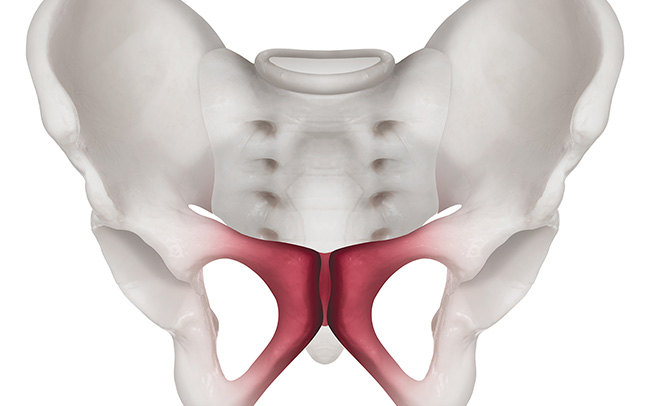
Pelvic girdle pain can affect one in five women during pregnancy. Pain can be in the front, back or side of the pelvis and is normally worse when you are active. It can cause mild discomfort for some, and be very debilitating for others. Try to keep your knees together when turning in bed, getting up from your bed and getting out of the car. Avoid putting excess strain on one side of the body during daily activities, if these activities cause pain. For example:
  • get dressed whilst sitting down
  • take stairs one step at a time
  • use a backpack instead of a handbag.
Ask your midwife about seeing a specialist women’s health physiotherapist if you’re experiencing problems with pelvic pain.