
Coping strategies and pain relief in labour
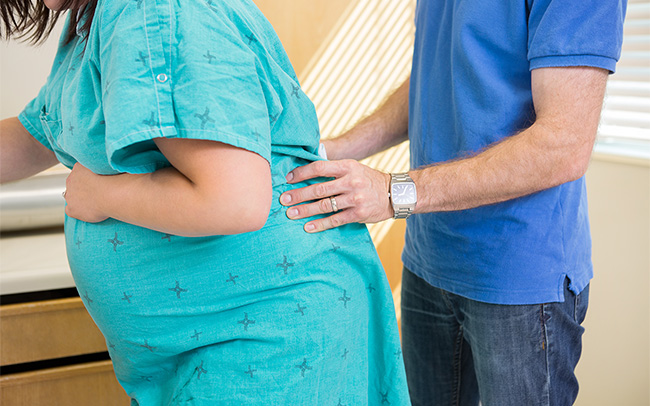 As labour progresses, there are plenty of options available to help you manage the sensation of the contractions as they get stronger and more intense.
As labour progresses, there are plenty of options available to help you manage the sensation of the contractions as they get stronger and more intense.
As labour progresses, there are plenty of options available to help you manage the sensation of the contractions as they get stronger and more intense.
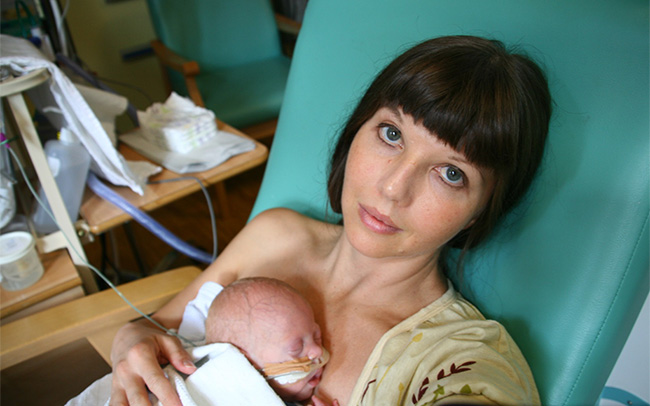 Babies born before 34 weeks are likely to need extra help with breathing, feeding and keeping warm, and would therefore be transferred to the neonatal unit for care. This care is provided by a highly skilled neonatal team. Your baby may need to be in an incubator, however once they are stable you should be able to hold them and have skin-to-skin contact.
Colostrum and breast milk are very beneficial for babies that are born early. If your baby is too small to feed itself you can express your breast milk and this will be given to your baby via a tube. The neonatal team will support you with expressing your milk.
Once your baby/babies can breathe on their own, feed via the breast or bottle and have gained weight, you will be able to take them home. This can often take several weeks if your baby was born extremely preterm.
You will be supported by the maternity team whilst you and your baby remain in the maternity unit. There are also many organisations that provide support to parents of preterm babies.
Babies born before 34 weeks are likely to need extra help with breathing, feeding and keeping warm, and would therefore be transferred to the neonatal unit for care. This care is provided by a highly skilled neonatal team. Your baby may need to be in an incubator, however once they are stable you should be able to hold them and have skin-to-skin contact.
Colostrum and breast milk are very beneficial for babies that are born early. If your baby is too small to feed itself you can express your breast milk and this will be given to your baby via a tube. The neonatal team will support you with expressing your milk.
Once your baby/babies can breathe on their own, feed via the breast or bottle and have gained weight, you will be able to take them home. This can often take several weeks if your baby was born extremely preterm.
You will be supported by the maternity team whilst you and your baby remain in the maternity unit. There are also many organisations that provide support to parents of preterm babies.
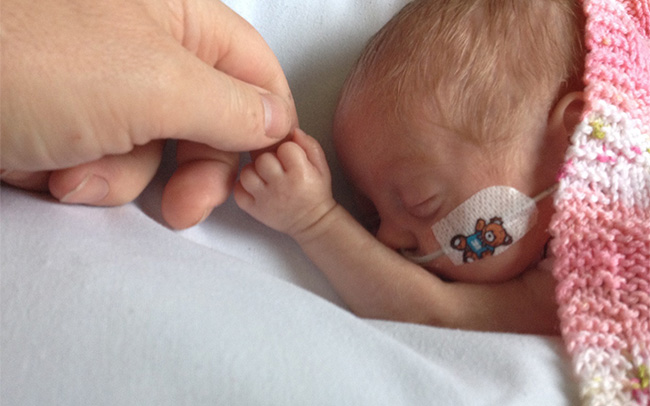 Depending on how many weeks pregnant you are, you may be offered medicines to try and slow down or stop your labour, antibiotics to reduce the risk of developing an infection, and steroid injections that are given to you, to help your baby’s lungs develop and prepare for life outside the womb should they be born early. If your baby is extremely preterm (less than 28 weeks) you may need to be transferred to a maternity unit with a neonatal intensive care unit.
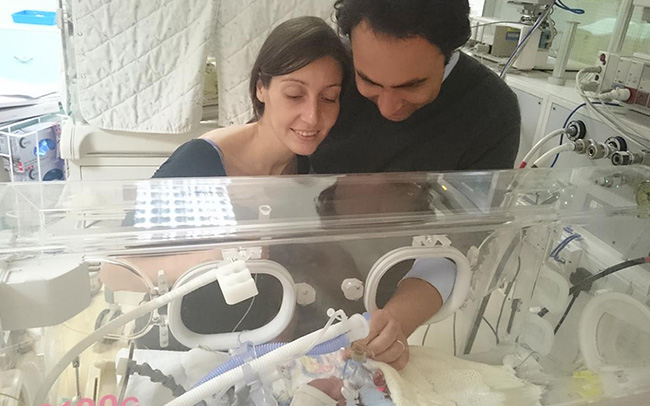 A baby may be born prematurely as a result of preterm labour or because an earlier birth is recommended, due to complications that may have arisen during the pregnancy (affecting the mother or the baby).
In many cases, it is not clear why labour starts early, however factors known to increase the risk of preterm labour include the following;
A baby may be born prematurely as a result of preterm labour or because an earlier birth is recommended, due to complications that may have arisen during the pregnancy (affecting the mother or the baby).
In many cases, it is not clear why labour starts early, however factors known to increase the risk of preterm labour include the following;
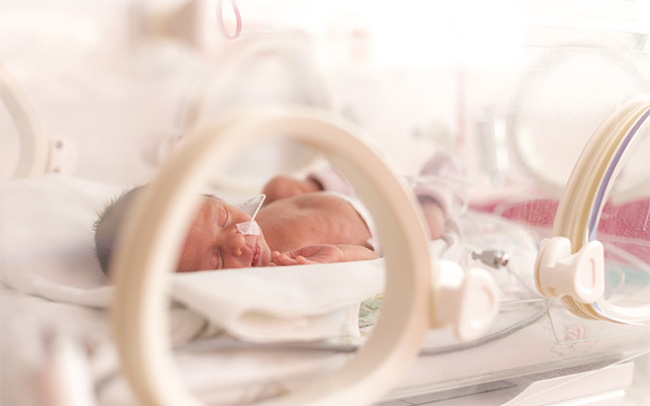 A baby that is born before 37 weeks gestation is considered to be ‘premature’ or ‘preterm’. There are different categories of prematurity:
 During pregnancy you will have an appointment to discuss your options for the birth of your twins. More than 40% of twins are born vaginally with the remainder being born by either planned or emergency caesarean.
In some cases a planned caesarean will be recommended, for example, if your babies share one placenta, or the first baby is in the breech (bottom first) position.
During labour, it is recommended that your babies have continuous electronic fetal monitoring, as the risk of complications during labour is higher for twins. It may also be recommended that you have an epidural, in case you require an emergency caesarean birth quickly. There will be more people at the birth of twins, often two midwives, two obstetricians and two neonatal doctors.
If you have triplets or more, planned caesarean birth would be recommended for you as the safest way to deliver your babies.
During pregnancy you will have an appointment to discuss your options for the birth of your twins. More than 40% of twins are born vaginally with the remainder being born by either planned or emergency caesarean.
In some cases a planned caesarean will be recommended, for example, if your babies share one placenta, or the first baby is in the breech (bottom first) position.
During labour, it is recommended that your babies have continuous electronic fetal monitoring, as the risk of complications during labour is higher for twins. It may also be recommended that you have an epidural, in case you require an emergency caesarean birth quickly. There will be more people at the birth of twins, often two midwives, two obstetricians and two neonatal doctors.
If you have triplets or more, planned caesarean birth would be recommended for you as the safest way to deliver your babies.
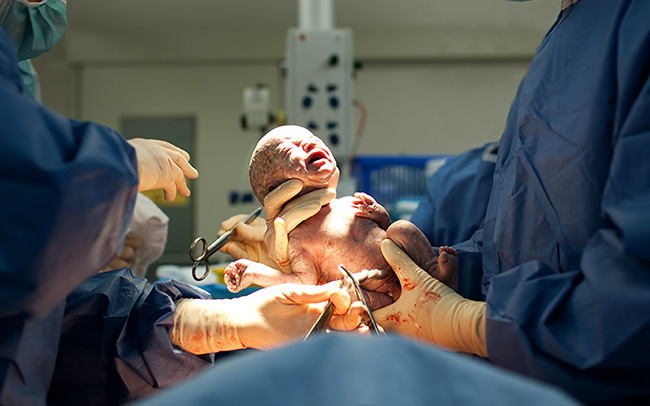 Just over one in ten women will have a planned caesarean birth. This is due to a variety of factors, and the decision will be made together with your obstetric and midwifery team.
The day before your caesarean you will be asked to take some medications. These should be taken the night before and also on the morning of your operation, as directed. You should not eat any food after midnight but may drink water until 6am on the morning of your operation.
On the day of your caesarean you will normally arrive at your maternity unit early in the morning. Sometimes if the labour ward is busy, you may have to wait for a period of time before your operation can start. In the operating theatre, your chosen birth partner can normally accompany you and can stay by your side throughout the surgery, unless, for medical reasons, you require a general anaesthetic.
The majority of women have a spinal anaesthetic or combined spinal epidural which causes the body to go numb from the abdomen to the feet. A catheter will be inserted into your bladder, and this will normally be removed the following day. Once the operation starts, the baby is normally born within 10 minutes, and all being well you can have skin-to-skin contact with him/her in the operating theatre while the operation is completed.
After the surgery you will spend a few hours in a recovery area, and a nurse or midwife will check your observations regularly. You can start bonding with and feeding your baby during this time. Your anaesthetic will wear off after a few hours.
You will normally stay on a postnatal ward for one to three nights, depending on your recovery. You will be given regular painkillers. You will be helped to become mobile once the anaesthetic wears off. Early
mobilisation and pressure stockings are recommended for all women to reduce the risk of developing blood clots after surgery. Some women are offered blood thinning injections.
Just over one in ten women will have a planned caesarean birth. This is due to a variety of factors, and the decision will be made together with your obstetric and midwifery team.
The day before your caesarean you will be asked to take some medications. These should be taken the night before and also on the morning of your operation, as directed. You should not eat any food after midnight but may drink water until 6am on the morning of your operation.
On the day of your caesarean you will normally arrive at your maternity unit early in the morning. Sometimes if the labour ward is busy, you may have to wait for a period of time before your operation can start. In the operating theatre, your chosen birth partner can normally accompany you and can stay by your side throughout the surgery, unless, for medical reasons, you require a general anaesthetic.
The majority of women have a spinal anaesthetic or combined spinal epidural which causes the body to go numb from the abdomen to the feet. A catheter will be inserted into your bladder, and this will normally be removed the following day. Once the operation starts, the baby is normally born within 10 minutes, and all being well you can have skin-to-skin contact with him/her in the operating theatre while the operation is completed.
After the surgery you will spend a few hours in a recovery area, and a nurse or midwife will check your observations regularly. You can start bonding with and feeding your baby during this time. Your anaesthetic will wear off after a few hours.
You will normally stay on a postnatal ward for one to three nights, depending on your recovery. You will be given regular painkillers. You will be helped to become mobile once the anaesthetic wears off. Early
mobilisation and pressure stockings are recommended for all women to reduce the risk of developing blood clots after surgery. Some women are offered blood thinning injections.
 During labour, it is good to stay as active as possible, and to try different positions. By doing this you will encourage your baby through the birth canal in the best position for birth, whilst also helping your own comfort and coping ability. Staying active and upright is also known to shorten the length of labour.
You can try:
During labour, it is good to stay as active as possible, and to try different positions. By doing this you will encourage your baby through the birth canal in the best position for birth, whilst also helping your own comfort and coping ability. Staying active and upright is also known to shorten the length of labour.
You can try:
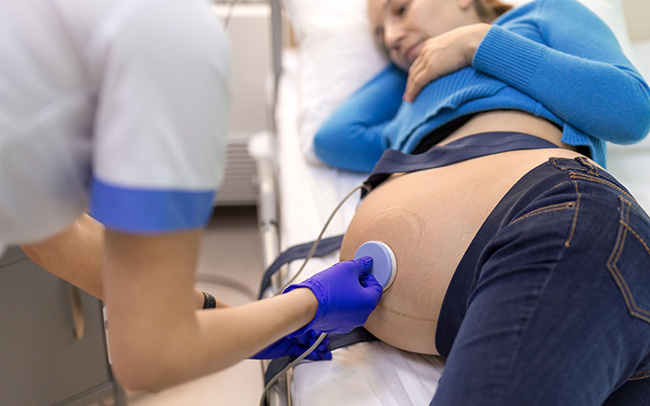 During labour, your midwife will listen to your baby’s heartbeat to check his/her wellbeing, and to ensure he/she is coping well with labour.
There are three different ways your midwife can check this, by using either:
During labour, your midwife will listen to your baby’s heartbeat to check his/her wellbeing, and to ensure he/she is coping well with labour.
There are three different ways your midwife can check this, by using either:
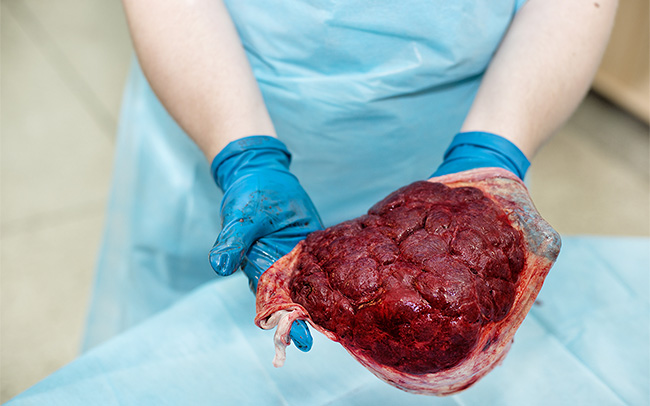 This stage is the time between the birth of your baby and the expulsion of your placenta.
After your baby is born, he/she will still be attached to the umbilical cord, which is attached to the placenta inside the womb. The cord should be left intact and not cut immediately, unless there is a problem with your baby’s breathing, or you are bleeding heavily.
There are two options for the delivery of your placenta. The first option is known as physiological third stage, and the other is active third stage.
This stage is the time between the birth of your baby and the expulsion of your placenta.
After your baby is born, he/she will still be attached to the umbilical cord, which is attached to the placenta inside the womb. The cord should be left intact and not cut immediately, unless there is a problem with your baby’s breathing, or you are bleeding heavily.
There are two options for the delivery of your placenta. The first option is known as physiological third stage, and the other is active third stage.